If you are moving to Denver Colorado, it is incredibly easy to fall in love with the wrong house in the wrong location.
I recently helped a couple move again just one year after buying their first home here. Their house was beautiful. It was turnkey. It looked amazing online. But they ended up too far east, on gravel roads, far from the foothills, and far from the lifestyle they thought they were buying into.
That is the trap.
When people are moving to Denver Colorado from out of state, they often shop online first. Zillow makes everything look close. A shiny new build makes everything look easy. But Denver metro is huge, and “Denver area” can mean something very different depending on whether you land west, south, north, downtown, or way out east.
None of the places below are horrible places to live. That is not the point. The point is fit. If your dream is the Colorado lifestyle with easier access to trailheads, foothills, ski weekends, cycling, and mountain towns, some areas deserve a serious second thought before you write an offer.
Table of Contents
- Understanding the Denver Colorado Metro Area Layout
- Area #5: I-25 Southern Corridor (Castle Rock, Castle Pines, Parker)
- Area #4: Thornton & Northglenn in North Denver Colorado
- Area #3: Downtown Denver Condo Market
- Area #2: Eastern Plains New Builds Near Aurora & Bennett
- Area #1: Aurora Colorado Housing & Neighborhoods
- The Biggest Mistake When Moving to Denver Colorado
- FAQs About Moving to Denver Colorado
Understanding the Denver Colorado Metro Area Layout
Before talking about the five areas I would rethink, you have to understand how the Denver metro actually works.
On a map, it may not look overwhelming. In real life, it absolutely is. This region stretches along I-25 from the Colorado Springs and Monument side all the way north toward Fort Collins, Loveland, and beyond. Then you have the west side pushing into the foothills and the east side opening into the plains.
That geography matters more than most out-of-state buyers realize.
The west side is where you feel much closer to the classic Colorado lifestyle. Areas like Littleton, Lakewood, Arvada, Golden, and Boulder put you much closer to trailheads and mountain access. You can be at places like Lair o’ the Bear in minutes instead of making it a full event. You also get easier access to I-70 for ski resorts and Highway 285 for places like Buena Vista and Salida.
The farther east you go, the more you get open plains, wind, and large-scale new development. That is not inherently bad. In fact, it can be a great fit for the right household. But it is a completely different experience from living near the foothills.
This is where a lot of people make their first Denver mistake. They think they are buying into “Denver,” but what they are really buying is a commute pattern and a lifestyle pattern.
Area #5: I-25 Southern Corridor (Castle Rock, Castle Pines, Parker)
This includes places like Castle Rock, Castle Pines, and Parker.
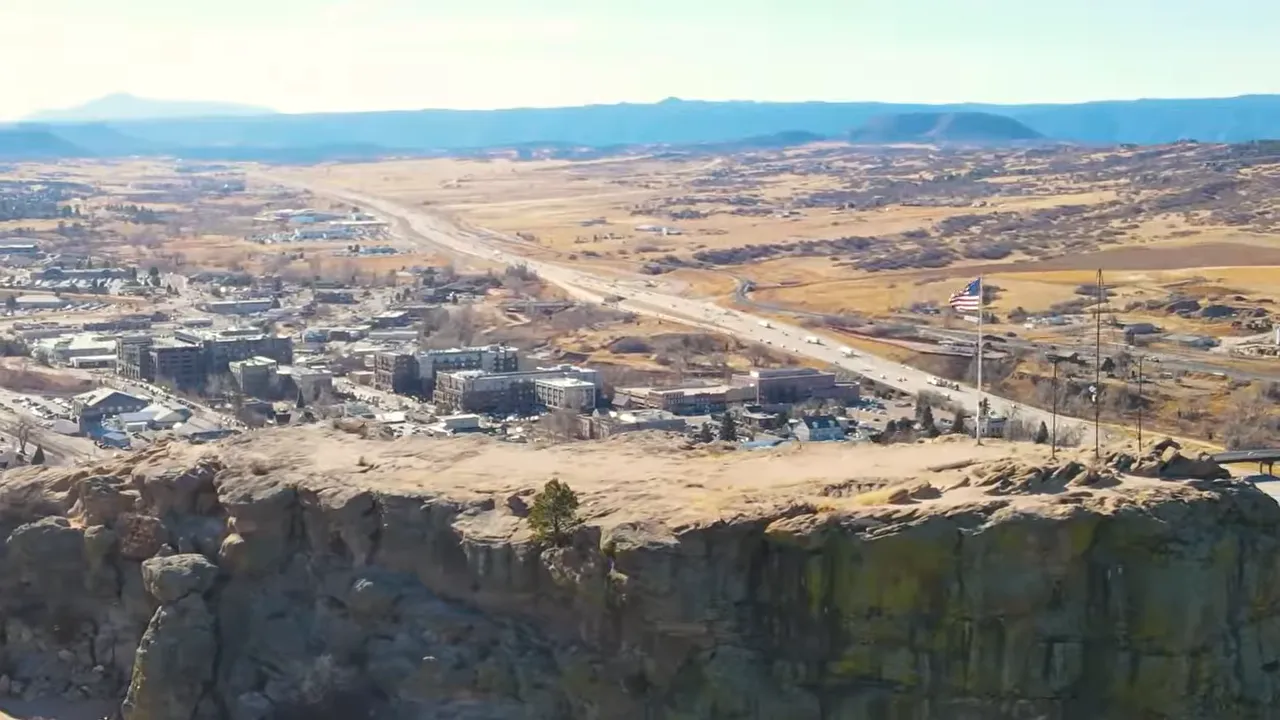
First, let me be fair. This part of Colorado is beautiful. I have plenty of friends and clients who truly love living here. Castle Rock especially has a lot going for it. There are great local trails, Castlewood Canyon is fun to hike, “The Rock” is iconic, downtown Castle Rock is charming, and Ridgeline offers miles and miles of trails with great views.
So why would I tell someone moving to Denver Colorado to pause before choosing it?
Because access is the issue.
The I-25 southern corridor can make people feel boxed in. If you need to get into Denver, downtown, or even the Denver Tech Center, the commute can be rough. Construction has been ongoing, traffic backs up, and what looks manageable on a map can easily become a 35 to 45 minute drive, sometimes more.
There is also a subtle lifestyle mismatch that catches people off guard. Castle Rock has rolling terrain and pretty scenery, but it is not the same as living next to the actual Rocky Mountains. If you are moving here imagining easy mountain access every weekend, you still have to go west a good while before you really get there.
Another important consideration is resale. This area has a lot of land, and where there is a lot of land, there are usually a lot of builders. If you buy and then decide to sell a few years later, your home may be competing against newer builds with shinier finishes and builder incentives.
Castle Rock, Castle Pines, and Parker may work well if you:
- Want a newer suburban feel
- Love local trails more than quick mountain access
- Do not need to commute deep into Denver often
- Plan to stay put longer term
They may be a poor fit if you:
- Picture yourself in the mountains all the time
- Need frequent access to downtown Denver
- Want the strongest short-term resale flexibility
Area #4: Thornton & Northglenn in North Denver Colorado
Now let’s go north.
Thornton and Northglenn can look appealing on paper because they do not seem that far from Denver. Technically, you are only a modest distance north of the city. But practical distance and map distance are not the same thing.
The I-25 north corridor has improved, and there are express lanes, but that does not magically make it enjoyable. During rush hour, the drive into downtown Denver can still easily land around 45 minutes, and getting to other job centers can take even longer.
Then there is the housing stock itself. Compared to the newer southern corridor, this area has more of a 1990s feel. Again, that is not a character flaw. It just means many homes and shopping areas feel older, and some houses are still in very original condition.
The upside is price. The homes tend to be more affordable than places like Castle Rock. If your priority is value and you do not mind doing updates over time, this can be a real opportunity.
But if you are moving to Denver Colorado hoping for a polished, foothills-adjacent, highly curated version of Colorado living, this may not match the picture in your head.
Thornton and Northglenn may make sense if you:
- Need a lower entry price
- Are okay with an older suburban feel
- Do not mind updating a home
- Can tolerate the north I-25 commute
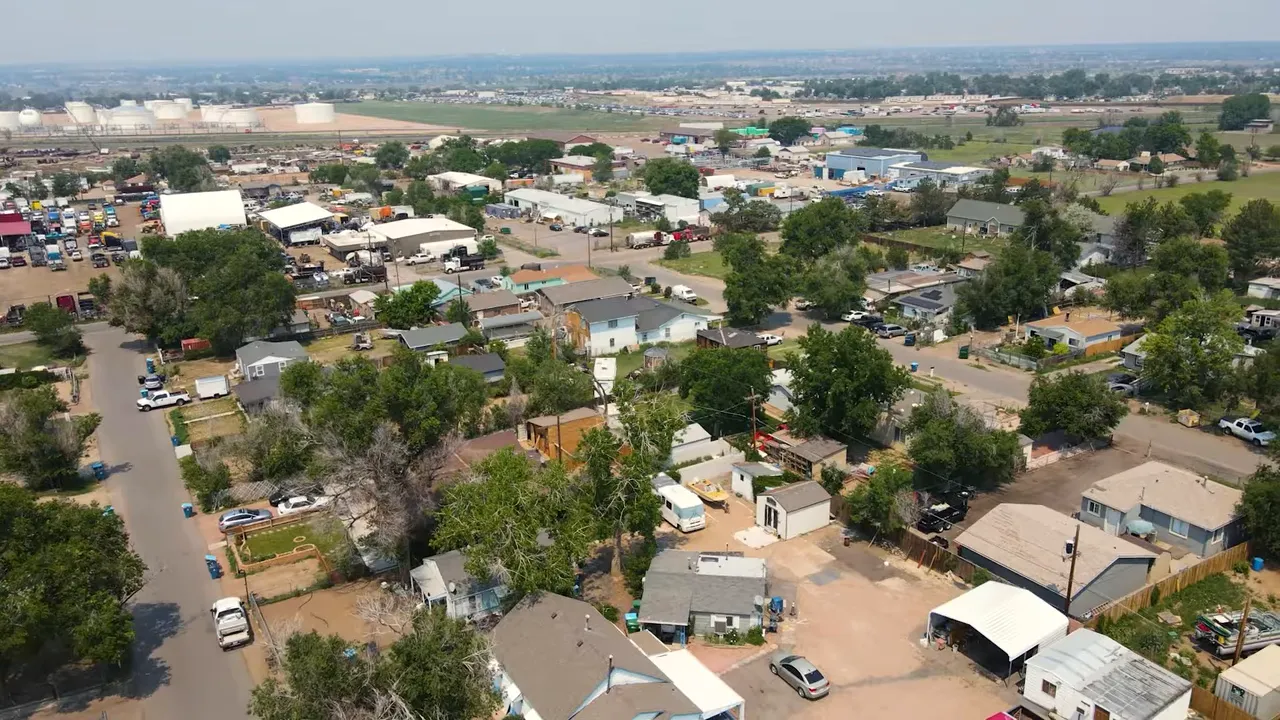
The biggest thing here is simple: pay close attention to commute times and the condition of the neighborhoods, not just the list price.
Area #3: Downtown Denver Condo Market
This one needs nuance, because downtown Denver can be awesome.
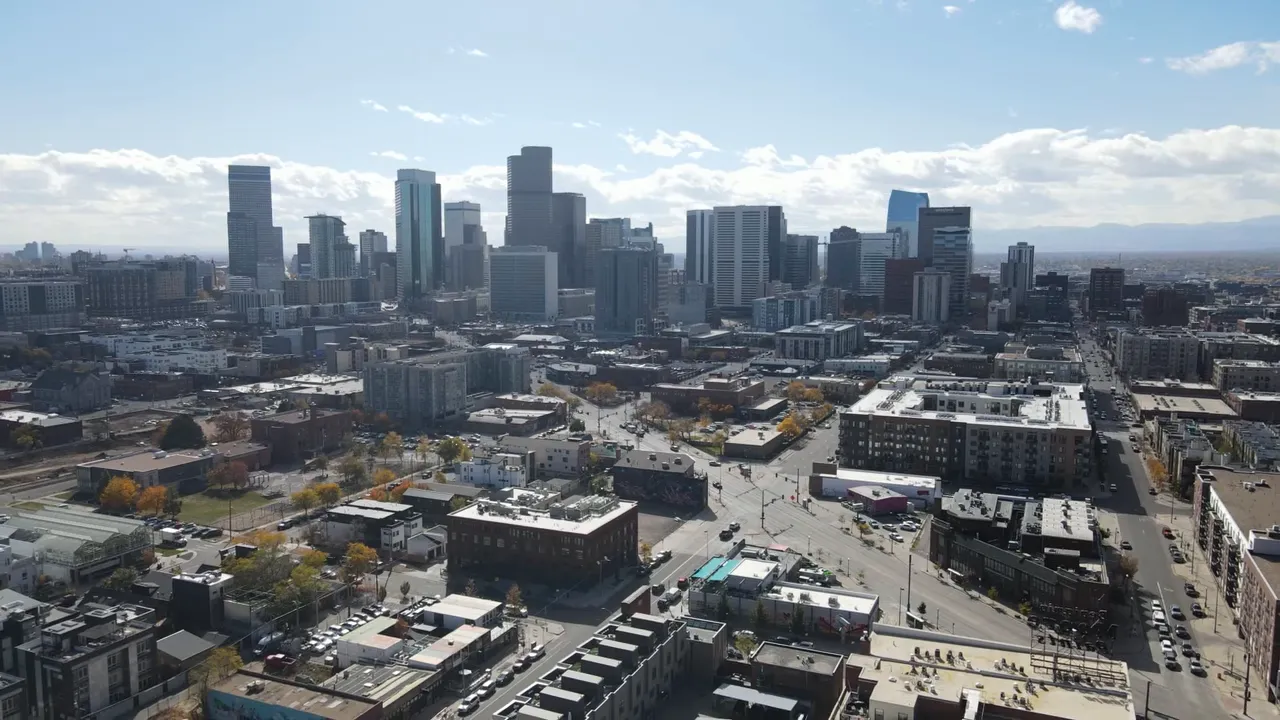
If you love restaurants, sports, concerts, nightlife, and having energy around you all the time, downtown can be a blast. If you want to be near Broncos games, Rockies games, Ball Arena events, and walkable city living, there is absolutely a buyer for this lifestyle.
But downtown condos are not a great match for everyone, especially not people who are moving to Denver Colorado for more peace, more space, and easier mountain escapes.
There are two main issues.
1. HOA costs and building complications
If the condo is in a newer high-rise, the HOA fees can be very high. If the condo is in an older building, the monthly dues may not be the only concern. Older HOAs can come with special assessments, deferred maintenance problems, or more complicated building issues.
2. There is a lot of condo inventory
As work-from-home became more common and many people wanted quieter neighborhoods, a lot of buyers shifted away from living in the heart of Denver. They moved to places like Arvada, Littleton, and Highlands Ranch instead.
That means selling a downtown condo can be more challenging than many people expect. If you buy one, you need to be buying it because you genuinely want that lifestyle, not because it seems trendy for a minute.
Downtown condos may be right if you:
- Want walkability and city energy
- Prioritize events, dining, and nightlife
- Do not need quiet surroundings
- Understand the HOA and resale dynamics
They may be wrong if you:
- Want a quieter everyday lifestyle
- Want easier access to trails and mountains
- Need better long-term resale confidence
Area #2: Eastern Plains New Builds Near Aurora & Bennett
This is where that opening story came from, and honestly, this is one of the biggest traps for out-of-state buyers.
I am talking about the far eastern growth areas and new build communities in places like Strasburg, Bennett, and Aurora Highlands.
Why do so many people end up out there? Because the homes look amazing.
You get fresh construction, modern layouts, clean finishes, and often a price point that can be $100,000 to $200,000 less than homes in more established or more westward locations. If you are shopping online while moving to Denver Colorado, these listings absolutely jump off the screen.
But the tradeoff is huge.
The farther east you go, the flatter and windier it gets. The more land there is, the more builders there are. And when there are a lot of builders, resale becomes more competitive because your home is up against the next phase of brand-new inventory.
Then there is access. If your version of Colorado living includes mountain weekends, cycling near the foothills, hiking after work, or quick drives to ski country, the eastern plains can feel painfully far away. You may be looking at an hour to an hour and a half just to get to the foothills, and much more to reach ski resorts or mountain towns.
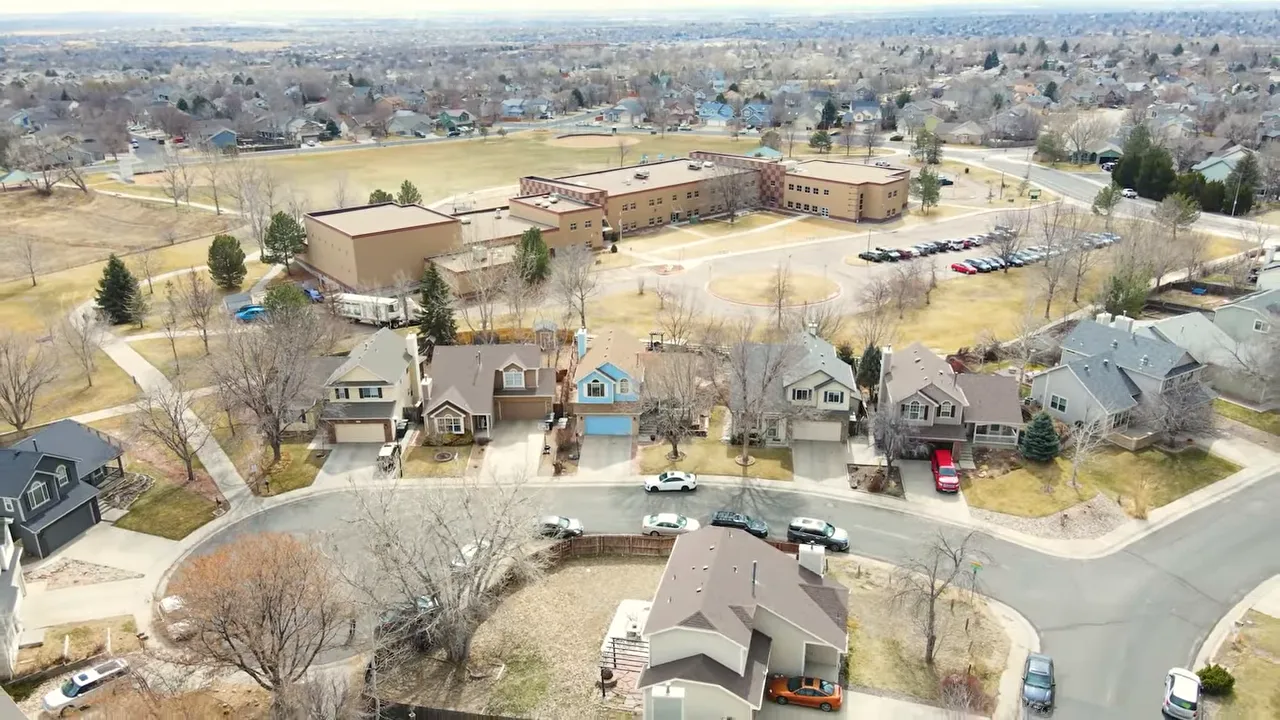
That does not mean nobody should buy there. Some people absolutely should. If your work is nearby, you are building a family, your budget matters most, and mountain access is only an occasional thing, these communities can be a smart play.
The warning is this: do not confuse a beautiful interior with the Colorado lifestyle you think you are buying.
Area #1: Aurora Colorado Housing & Neighborhoods
Aurora is my number one caution area, not because it is all bad, but because it is so easy to misunderstand.
Aurora is Colorado’s third largest city, and it is not one simple thing. It is a city of pockets. If you are moving to Denver Colorado, you cannot treat “Aurora” like a single neighborhood. You really have to break it apart.
Older Aurora near Denver and Colfax
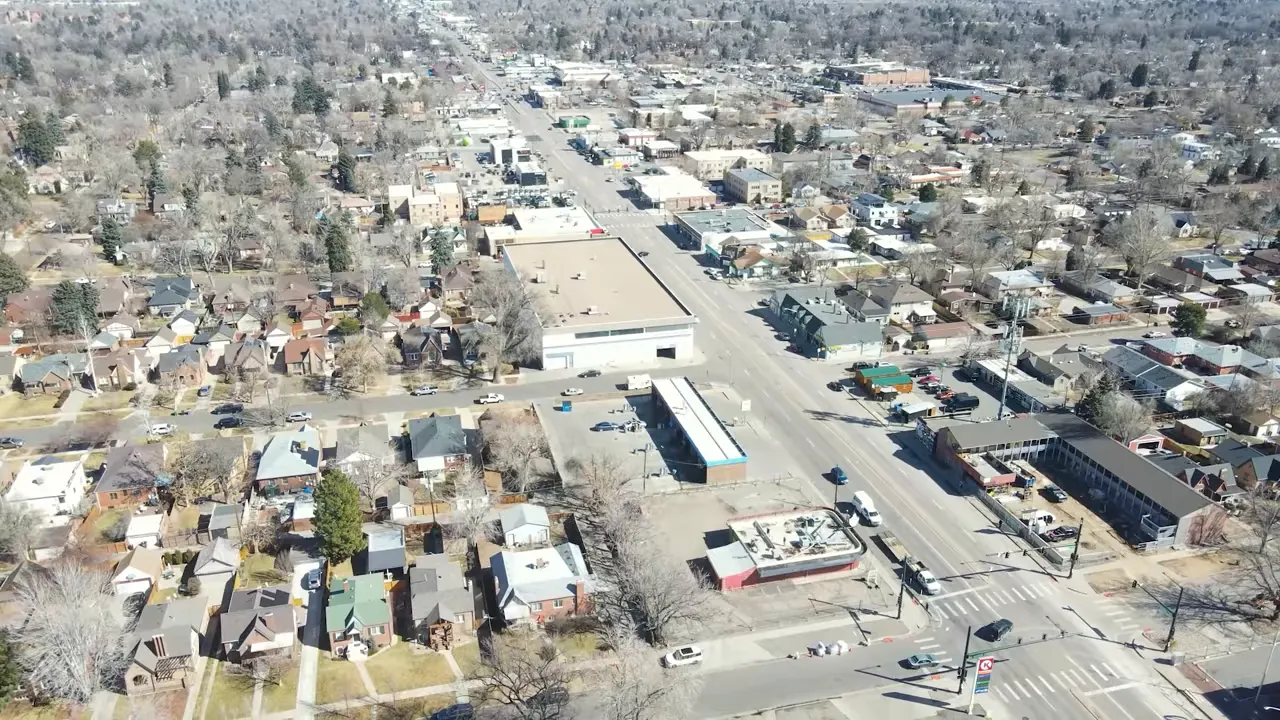
Some parts of Aurora, especially north and west near Colfax and the Denver border, have significantly older and smaller homes. These areas can offer discounts, but they may also come with older retail corridors, older community infrastructure, and homes that need updates.
If you are handy, patient, and open to sweat equity, that can be a real opportunity. If you want turnkey suburban polish, probably not.
Middle Aurora east of 225 toward Parker Road and Cherry Creek Reservoir
This section also tends to have older housing stock, much of it from the 1970s. Some homes have been beautifully renovated, but many still feel dated. When you search online, you may notice a large amount of inventory in this zone. That is often a clue that demand is more selective.
South Aurora and the Southlands / E-470 corridor
Then you have the newer southern section near Southlands and E-470. A lot of these homes are really attractive. Some are large, newer, and in beautiful neighborhoods. This is also where you will find some higher-end pockets, including areas around Saddle Rock Golf Club and Tallyn’s Reach.
But once again, the question is lifestyle and commute. You might have a lovely home and even a mountain view from the porch, yet still be 30 to 45 minutes from downtown and another hour or more from the mountains.
Aurora can work well for people who:
- Want a discount compared to more westward suburbs
- Are okay with older areas or putting in sweat equity
- Do not mind being farther from the mountains
- Need a location that fits a specific work commute or family setup
Aurora may disappoint people who:
- Assume all of Aurora feels the same
- Want easy foothills access
- Expect every part of the city to feel newer or more updated
- Rely too much on online photos without driving the area
The Biggest Mistake When Moving to Denver Colorado
The number one mistake people make when moving to Denver Colorado is not choosing someone who will actually coach them on location.
Buying a house is not just about bedrooms, bathrooms, countertops, and square footage. It is about where your daily life happens. How long does it take to get to work? How long to get to your favorite trailhead? How often are you really going to make that mountain drive if it takes all day to get there and back?
A great home in the wrong location can feel wrong surprisingly fast.
That is why I always tell buyers to do more than search listings. Drive the neighborhoods. Test the commute. Look at where the development is headed. Ask hard questions about resale. Be honest with yourself about what kind of Colorado lifestyle you actually want.
If mountain access matters, prioritize it. If budget matters most, be honest about the tradeoff. If you want city energy, own that. If you want quiet suburbia, own that too. The right move is not about chasing the prettiest listing online. It is about matching your home to your real life.
FAQs About Moving to Denver Colorado
What is the biggest mistake people make when moving to Denver Colorado?
The biggest mistake is choosing a home based on photos, finishes, or price without fully understanding the location. Denver metro is large, and commute times, trail access, and proximity to the mountains can completely change your experience.
Are these the worst places to live in Denver?
No. These are not “bad” places. They are areas that can be a bad fit for buyers who are specifically moving for the Colorado lifestyle and want easier access to foothills, trails, and mountain recreation.
Why do out-of-state buyers end up too far east?
Because the new builds often look incredible online and are priced well below homes in more central or westward areas. The value is real, but so is the distance from the mountains and many of the lifestyle features people imagine when moving to Denver Colorado.
Is downtown Denver a bad place to buy?
Not at all. Downtown can be a fantastic fit if you want walkability, sports, restaurants, concerts, and city energy. The caution is mainly about condo HOA costs, building issues in older properties, and the challenges of resale in a crowded condo market.
Is Aurora always a bad choice?
No. Aurora is highly varied. Some areas offer discounts and opportunity, while others have newer homes and attractive neighborhoods. The key is understanding which pocket of Aurora you are considering and how that location fits your lifestyle and commute.
Which side of Denver is best for mountain access?
Generally, west-side areas like Littleton, Lakewood, Arvada, Golden, and Boulder offer quicker access to trailheads, foothills, and mountain highways like I-70 and Highway 285.
If you are moving to Denver Colorado, the goal is not to be scared of certain cities or neighborhoods. The goal is to understand the tradeoffs before you buy. That one step can save you from spending the next year wondering why your “dream home” does not actually feel like home.
If you’re moving to Denver Colorado and want to make sure you’re choosing the right neighborhood (not just the prettiest listing), I’d love to help. Call or text me directly at 720-606-4518 and we’ll talk through your commute, lifestyle goals, and best-fit areas.