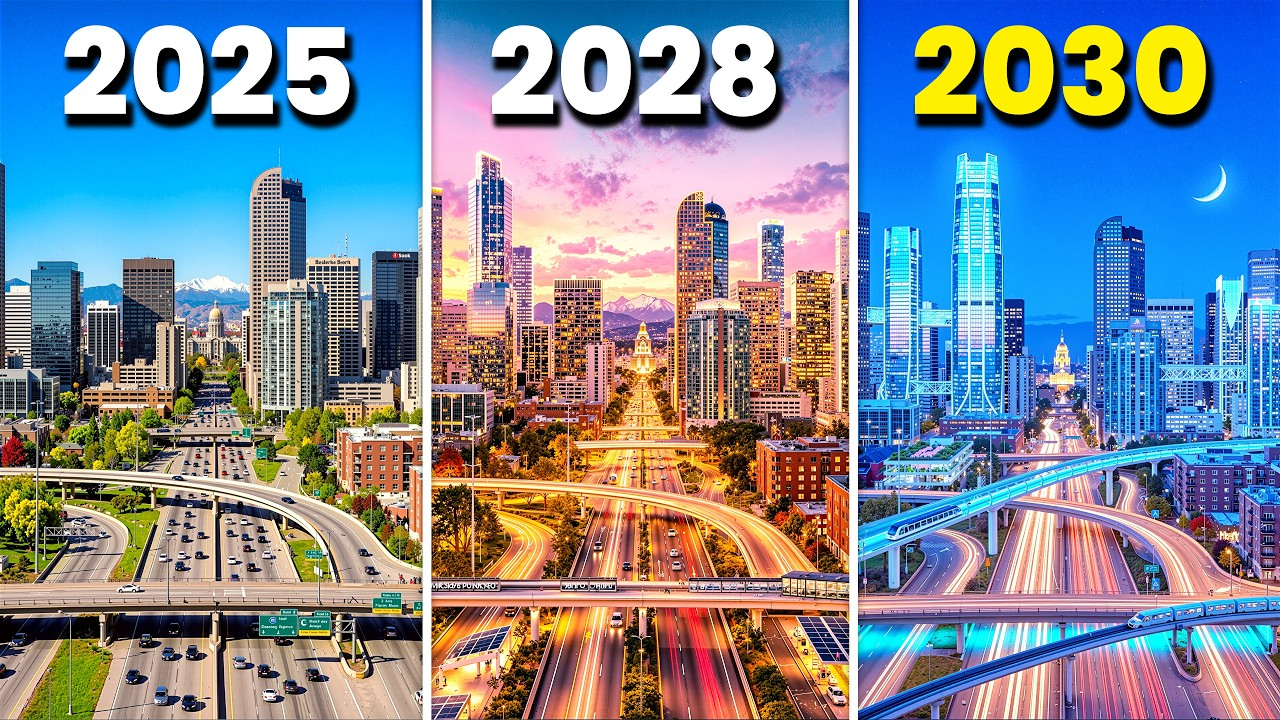
Living in Denver Colorado is about to feel a lot different. Not because of one flashy project or one giant headline, but because a whole stack of changes are happening at the same time across trails, roads, downtown, sports districts, transit, and neighborhood infrastructure.
That is the real story here. These are not isolated construction jobs. They are part of a bigger shift in how the city functions, how easy it is to get around, how connected we feel to the outdoors, and which neighborhoods become more convenient, more expensive, or more crowded.
If we care about living in Denver Colorado, this matters. It affects commute times, trail access, day to day routines, and eventually home values too. Some areas are going to benefit quickly. Others are going to deal with noise, traffic, and construction fatigue before the payoff arrives.
Table of Contents
- Why These Denver Colorado Projects Matter for Living in Denver Colorado
- Downtown Denver Colorado & Commercial Growth
- Mountain Access & Trail Upgrades Around Denver Colorado
- Neighborhood Infrastructure & Transit in Denver Colorado
- Sports & Entertainment Redevelopment in Denver Colorado
- What This Means for Living in Denver Colorado
- FAQs About Changes in Denver Colorado
Why These Denver Colorado Projects Matter for Living in Denver Colorado
The biggest mistake we can make is looking at these as separate announcements. They are connected. Denver is being reshaped in multiple places at once through:
- Parks and trails
- Transit upgrades
- Road realignment
- Downtown redevelopment
- Sports venue expansion
- Public infrastructure investment
That combination is going to influence living in Denver Colorado in a very practical way. Walkability gets better in some neighborhoods. Outdoor access improves on the west side and south side. Downtown may gain more housing and activity. Some corridors become easier to use, while others get a whole lot more frustrating during construction.
The west side of the metro is especially well positioned because so many of these improvements connect city access with mountain recreation. That mix has always been part of Denver’s appeal, but the city is now putting serious money behind making it work better.
EXPLORE HOMES FOR SALE IN DENVER COLORADO
Downtown Denver Colorado & Commercial Growth
1. RiNo gets a new AC Hotel
RiNo keeps moving deeper into its transition from industrial district to full urban destination. A new Marriott AC Hotel is expected to open in 2026, bringing a seven story hospitality project with a boutique feel and an eco focused rooftop component.
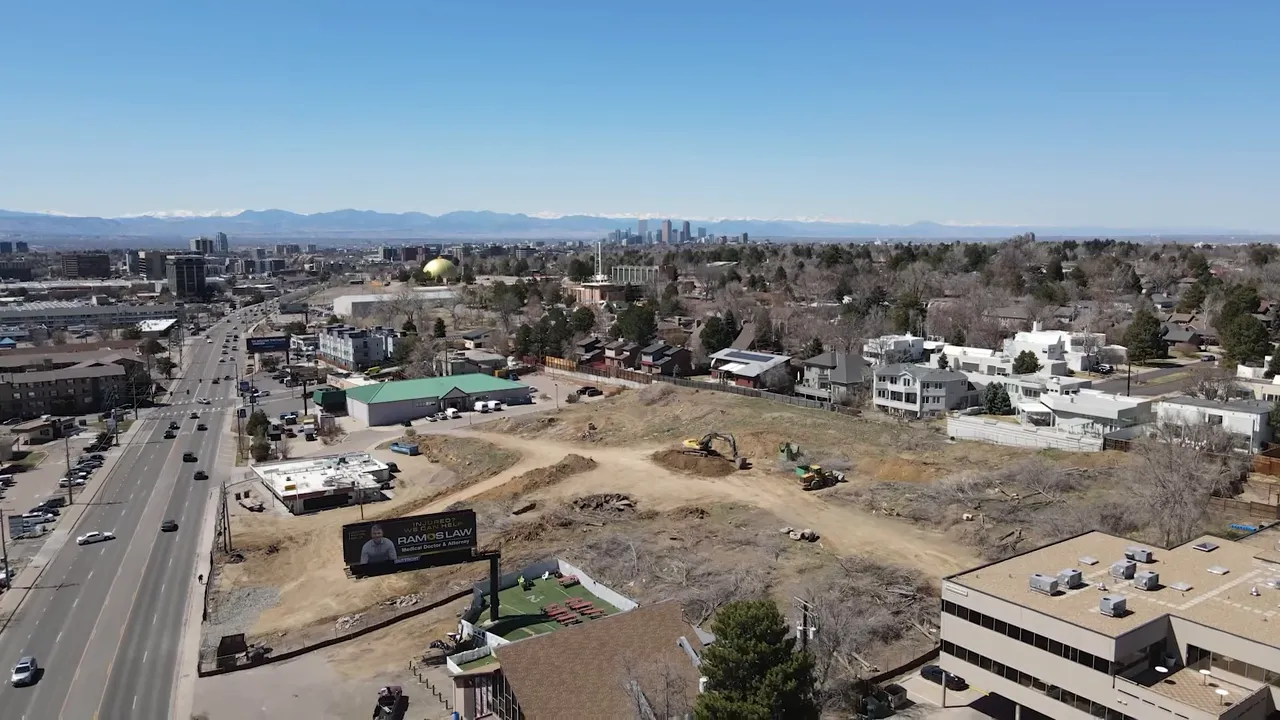
For living in Denver Colorado, this matters because hotels are not just about tourism. They bring year round foot traffic, add activity to the street level economy, and send a very clear message that investors see the area as established enough to support more growth.
The flip side is obvious. RiNo has already been changing fast, and this only adds fuel to that transformation. For longtime locals, it is another sign that the neighborhood is getting pricier and more polished.
2. Cherry Creek keeps becoming an employment hub
Cherry Creek is no longer just about luxury shopping and nice restaurants. Two office projects are reinforcing it as a serious business center, and the leasing activity is the headline here. One building is nearly full and the other is fully leased, which stands out in a market where office space has struggled in many places.
In real life, that means:
- More daytime population
- More high paying jobs nearby
- More demand for restaurants and services
- More competition for nearby housing
This is one of those changes that makes living in Denver Colorado feel more convenient and more expensive at the same time. The upside is strong demand and support for property values. The downside is more traffic, tighter parking, and a busier urban feel.
3. Downtown office buildings start converting to housing
Downtown has a vacancy problem, with millions of square feet of office space sitting empty. One of the city’s clearest responses is to push office to residential conversions, and the Petroleum Building at 16th and Broadway is a strong example.
That building is being turned into apartments, and the larger idea is pretty simple. If older offices can become housing, downtown gets residents instead of just workers. That could help bring back street life, add supply in a neighborhood that needs more people living there, and make the urban core feel more appealing again.
For anyone thinking about living in Denver Colorado with a more urban lifestyle, this could create a useful window. Downtown may become more livable before demand fully rebounds. Of course, these conversions take time, and nearby blocks will deal with construction noise along the way.
Mountain Access & Trail Upgrades Around Denver Colorado
4. Floyd Hill on I-70 finally gets a major fix
If we spend weekends heading west, this one is huge. The Floyd Hill segment of I-70 has long been one of the most frustrating choke points on the route to the mountains. The state is adding a third westbound lane, a new bridge, and a missing frontage road connection between Evergreen and Idaho Springs.
Long term, this should make mountain access safer and smoother. Short term, it is going to test everyone’s patience. Construction is already underway, and the full relief is still years out.
For living in Denver Colorado, especially on the west side, this is one of those projects that affects quality of life more than people realize. A cleaner drive to ski towns, camping, and weekend trailheads is part of the lifestyle people move here for.
5. Mary Carter Greenway becomes more than a basic trail
The Mary Carter Greenway project is a major rebuild of an 8 mile trail corridor along the South Platte, stretching through the Littleton area. This is not just resurfacing. It is a broader modernization of the corridor and surrounding recreation space.
One of the smartest parts of the redesign is separating cycling and running traffic more effectively, which should make the route safer and more usable for people trying to connect toward downtown or the High Line Canal.
This is exactly the kind of project that shapes living in Denver Colorado at the neighborhood level. Townhomes and condos near the Mineral light rail area become more appealing when residents can access both the city and the river corridor easily.
The near term downside is trail disruption and construction headaches around the nature center and surrounding park areas.
6. Green Mountain trail sustainability work helps the west side
At Green Mountain Hayden Park, the city is rerouting part of the trail near Rooney Road to improve sustainability and user experience. The idea is to move a section to better terrain and rebuild it to modern standards.
That may sound niche, but west side buyers understand exactly why it matters. Better trail access often translates into stronger desirability in places like Golden, Arvada, Lakewood, and Morrison. Those foothill adjacent neighborhoods already carry a premium, and projects like this help explain why.
7. Chatfield Reservoir changes how people use the park
Chatfield has already been transformed by higher water levels. The expanded reservoir footprint has covered old trails and tree areas that many people used regularly, which changes recreation patterns in one of the most visited state parks in Colorado.
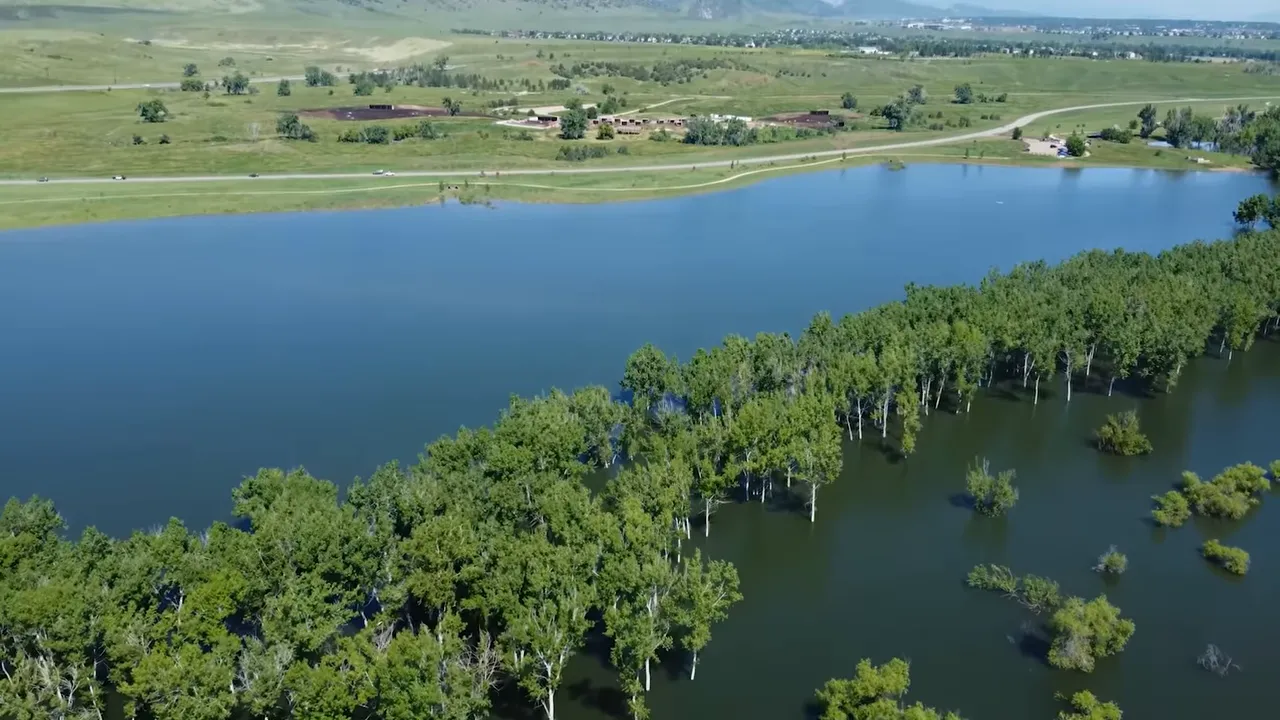
That matters a lot for living in Denver Colorado in Littleton, Highlands Ranch, Douglas County, and Jefferson County. Chatfield is not just a destination. For many households, it is part of normal life for biking, paddling, running, or just getting outside close to home.
8. Douglas County expands Wildcat Regional Park and trail access
South of Denver, Douglas County approved a major trail and bike lane expansion tied to Wildcat Regional Park. Residents in that broader area are getting a much stronger recreation network, with a large trail system scheduled to continue building out.
The reason this stands out is that people in Highlands Ranch and surrounding southern suburbs already pay for lifestyle. These park and trail premiums are often built into local pricing. Better recreation access simply reinforces the draw.
Neighborhood Infrastructure & Transit in Denver Colorado
9. Denver finally puts serious money into sidewalks
This may be the least glamorous item on the list, but it is one of the most important. Denver approved $75 million for sidewalk construction and repair across multiple neighborhoods, including places like Sloan’s Lake, Green Valley Ranch, and Harvey Park.
Some parts of the city simply never got sidewalks built in the first place, especially in older areas. Fixing that changes how a neighborhood functions. It improves walkability, school routes, park access, and the general feeling of safety.
That absolutely affects living in Denver Colorado. Walkable neighborhoods feel different. They function differently. People use them differently.
Of course, sidewalk work is messy while it happens. Residents can expect construction disruption and temporary inconvenience.
10. RTD rail reconstruction enters its final phase
The Welton corridor rail reconstruction is aimed at replacing outdated light rail infrastructure that has limited downtown capacity for years. Once finished, it should improve reliability for neighborhoods served by the L Line.
Reliable transit may not be the flashiest amenity, but for living in Denver Colorado, especially with access to downtown jobs and events, it can have a real impact on convenience and even nearby property values.
The tradeoff is that rail service disruptions continue while the work is being completed.
Sports & Entertainment Redevelopment in Denver Colorado
11. River Mile could completely remake the Elitch area
The River Mile development remains one of the most ambitious long term ideas in Denver. The site where Elitch Gardens currently operates could become part of a massive entertainment and mixed use district along the South Platte corridor.
Ownership and coordination are moving forward, though the timing is still uncertain. That uncertainty matters. If Elitch stays open longer than expected, surrounding planning could move more slowly.
For neighborhoods like the Highlands and Berkeley, this could eventually be a massive shift. For now, it is more of a future force than an immediate one.
12. National Western Center keeps expanding
The next phase at the National Western Center includes an equestrian facility, hotel, parking, and a pedestrian bridge that better connects both sides of the campus.
The bridge piece is especially important because the area has felt disconnected for a long time. Better campus connection to surrounding neighborhoods and transit could help turn the district into more of a year round destination instead of a place people think about only during the Stock Show.
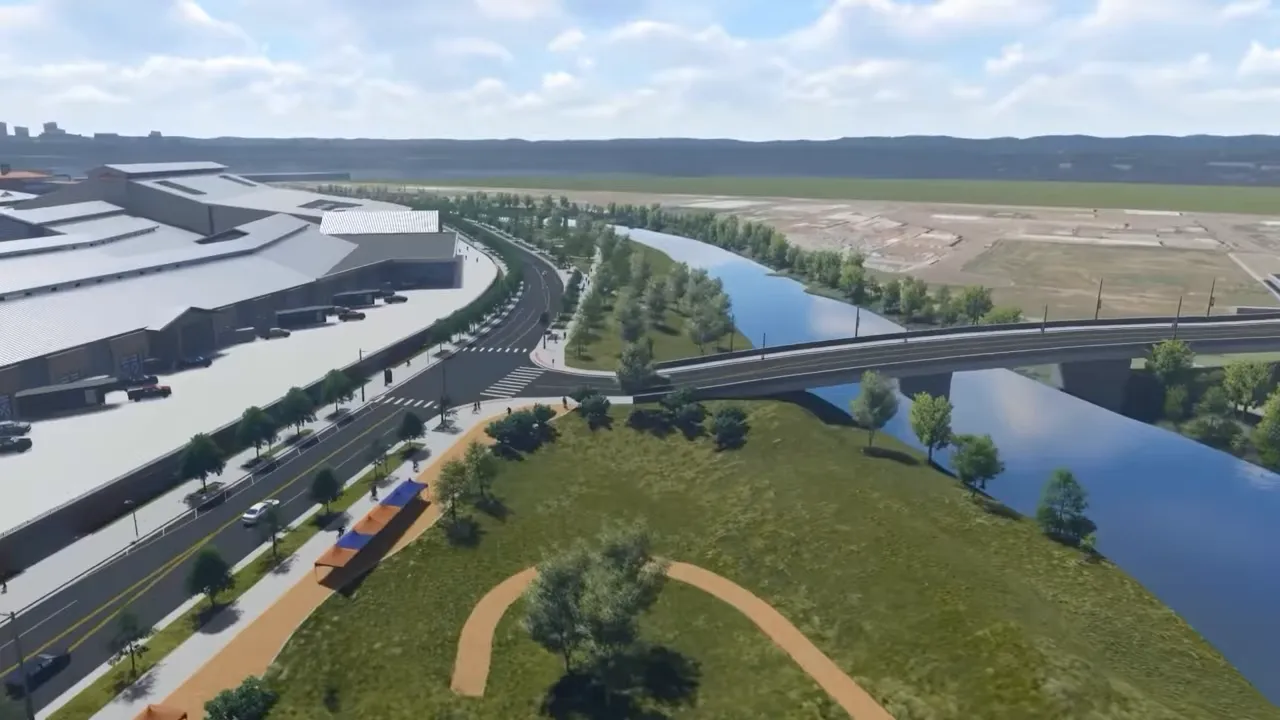
For living in Denver Colorado nearby, the long term upside is convenience and investment. The short term reality is transition, traffic, and a neighborhood still finding its next identity.
13. Denver Summit FC gets a women’s soccer stadium
This is one of the most exciting projects on the list. A new open air stadium for Denver Summit is expected to move into full construction in 2026 at Santa Fe Yards near I 25, with opening tied to the team’s first league season in 2028.
What makes this bigger than sports is that the stadium is meant to anchor an entirely new district in an underused area. It will also be one of the very few stadiums in the country built specifically for women’s professional soccer.
That kind of attention can boost nearby values and bring new energy to the area. But like any large project, it also means multiple years of disruption before the benefits are fully felt.
14. Broncos stadium planning points to Burnham Yard
Broncos ownership has outlined plans for a new stadium and a giant mixed use redevelopment centered on Burnham Yard, with a possible opening target around 2031 and construction potentially beginning as early as 2027.
This is not just a stadium. The broader redevelopment is supposed to cover roughly 150 acres with millions of square feet of mixed use activity around it.
For living in Denver Colorado, this would be a defining west side change. Areas around La Alma Lincoln Park and nearby neighborhoods could see major investment and better connectivity. But there are also valid concerns about pressure on existing communities and the possibility of displacement.
15. Ball Arena redevelopment is the biggest immediate downtown shift
The number one project on the list is the Ball Arena redevelopment. Groundbreaking is expected in 2026, and the first phase includes a pedestrian bridge over Speer Boulevard, a hotel, a performance venue, and roughly 300 homes.
Long term, the full redevelopment would bring thousands of housing units and transform a huge amount of parking lot land into a real neighborhood. That is a dramatic shift in how this part of downtown functions.
The new pedestrian connection is a big deal because it better links Auraria, downtown, and LoDo. That means year round activity in a district that has often revolved around event nights.
If we are talking about the future of living in Denver Colorado downtown, this is probably the biggest single physical transformation underway. It also comes with years of construction and an already congested area getting even more intense before it gets better.
What This Means for Living in Denver Colorado
When we zoom out, a pattern becomes obvious. Denver is investing heavily in the things that shape daily life:
- How easily we reach nature
- How safely we walk and bike
- How well downtown functions
- How neighborhoods connect to jobs and entertainment
- How much housing gets added in key areas
That is why living in Denver Colorado in the next few years may feel uneven depending on where we are. Some neighborhoods are set up to gain walkability, recreation access, and rising demand. Others will mostly experience noise, detours, and growing pains before the benefits become obvious.
The practical takeaway is simple. Infrastructure is not abstract. It changes time, routine, convenience, and how livable a place feels. And in a city like Denver, where people care deeply about both urban amenities and outdoor access, those changes have a way of showing up in real estate demand pretty quickly.
If we are paying attention to where those connections improve, we get a much clearer picture of where the city is headed next.
EXPLORE HOMES FOR SALE IN DENVER COLORADO
FAQs About Changes in Denver Colorado
Which 2026 project will have the biggest impact on living in Denver Colorado?
The Ball Arena redevelopment may have the broadest downtown impact because it adds housing, pedestrian connections, hospitality, and entertainment uses all in one district. For mountain access, the Floyd Hill I-70 project may feel biggest in day to day life.
Will these projects raise home values?
Some likely will, especially in neighborhoods gaining stronger walkability, trail access, job density, or improved transit reliability. But not every area benefits the same way, and construction disruption can weigh on short term experience.
Is downtown becoming more residential?
Yes, that appears to be part of the strategy. Office to apartment conversions and large mixed use redevelopments around Ball Arena and the river corridor point toward a downtown with more full time residents, not just office workers.
Are the west side suburbs still a strong choice for living in Denver Colorado?
Very much so. West side areas benefit from trail upgrades, foothill access, and eventually improved mountain travel. Places like Golden, Lakewood, Arvada, Morrison, and Littleton continue to gain value from that lifestyle connection.
What is the biggest short term downside of all these changes?
Construction fatigue. Many of these projects improve Denver long term, but in the near term they bring lane impacts, noise, parking pressure, trail closures, and slower movement through already busy parts of the metro.
Thinking about buying in Denver in the next year (especially with all these changes coming)? Contact me anytime and I’ll help you narrow down neighborhoods that fit your lifestyle and budget. Call/Text 720-606-4518 to get started.