Moving to Denver Colorado sounds amazing on paper. You hear about 300 days of sunshine, mountain access, outdoor adventure, great restaurants, live music, breweries, and that laid-back but ambitious Colorado energy. And yes, a lot of that is absolutely real.
But moving to Denver Colorado is not for everyone.
There are some very specific realities here that surprise people all the time. Some are lifestyle related. Some are financial. Some are weather related. And some are the kind of things you do not fully understand until you are already living at 5,280 feet wondering why your lips are cracked, your lungs are angry, and your weekend mountain plan somehow turned into a two hour traffic event.
If you are seriously considering moving to Denver Colorado, these are the 12 facts I would want you to know ahead of time so you can make a smart decision and choose the right area for the life you actually want.
Table of Contents
- Moving to Denver Colorado: 12 Things You Need to Know
- Why People Move to Denver Colorado
- Fact #1: Denver's High Altitude & Dry Climate
- Fact #2: Denver Weather & Snow Reality
- Fact #3: Wildfire Risk & Home Insurance in Denver
- Fact #4: Mountain Access From Denver
- Fact #5: Denver Traffic & Population Growth
- Fact #6: Do You Need a Car in Denver?
- Fact #7: Denver's Active Outdoor Lifestyle
- Fact #8: Adjusting to Denver's High Altitude
- Fact #9: Cost of the Colorado Outdoor Lifestyle
- Fact #10: Denver Homeownership Costs
- Fact #11: Denver Job Market & Employment
- Fact #12: Is Moving to Denver Colorado Affordable?
- FAQs About Moving to Denver Colorado
Moving to Denver Colorado: 12 Things You Need to Know
Denver is one of those places that gets marketed by its best qualities, and to be fair, it has plenty of them. But the gap between expectation and reality can be big.
The people who tend to love moving to Denver Colorado are the ones who come in with clear expectations about climate, cost, commuting, and lifestyle tradeoffs. The people who struggle are often the ones who assume Denver will function like a mountain town, a big city, and a low-cost paradise all at once.
It will not.
Denver can be an incredible fit, but only if you understand what you are signing up for.
Why People Move to Denver Colorado
People move here for good reason. The sunshine is real. The scenery is beautiful. The city has a fun energy, strong neighborhoods, good food, and easy access to outdoor recreation compared with many other metros.
There is also a lifestyle appeal that is hard to fake. Denver attracts people who want a little more movement in their life. Skiing, hiking, biking, paddle boarding, golfing, running, camping, tubing, climbing, and weekend trips all become part of the conversation here.
That said, moving to Denver Colorado because you like the idea of the lifestyle is different from moving here because you are truly prepared to live it. That is where these facts matter.
Fact #1: Denver's High Altitude & Dry Climate
Denver is a high altitude desert, and your body will notice immediately.
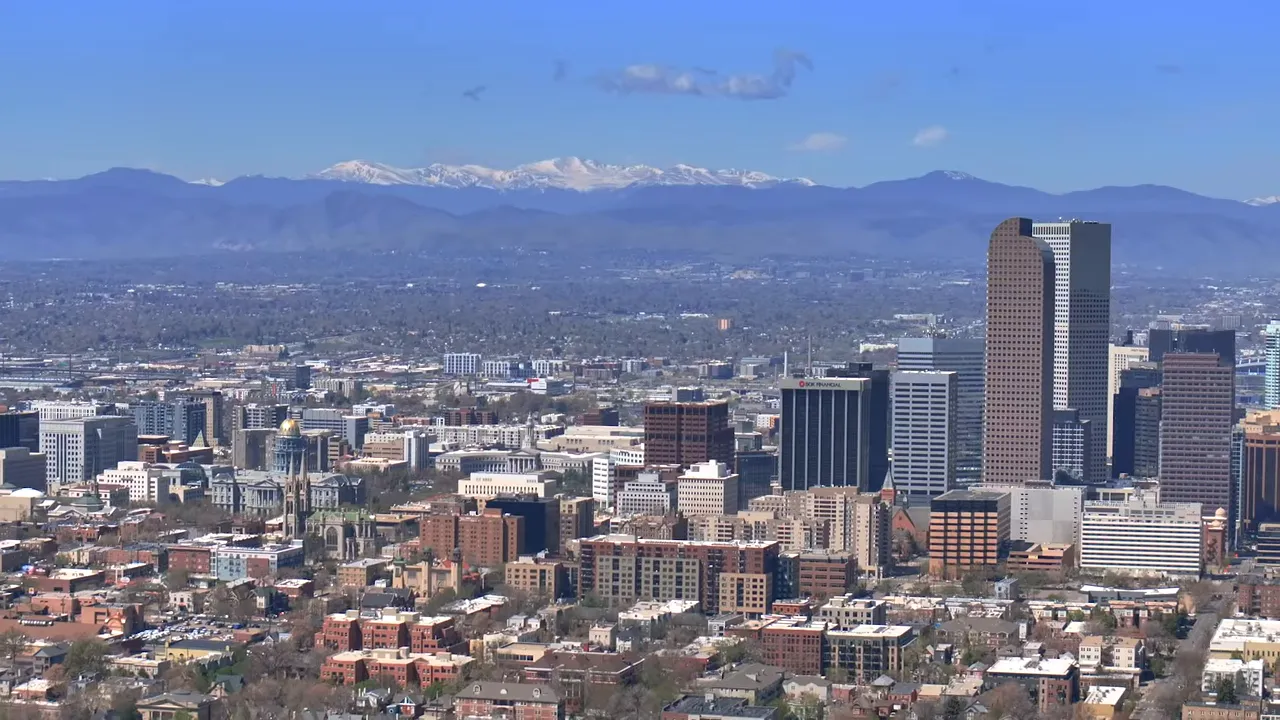
This one sounds simple, but it affects daily life more than most people expect. Denver sits at 5,280 feet, and that elevation changes how your body feels, how much water you need, how your skin reacts, and even how much sun exposure you get.
It is dry here. Really dry. Annual precipitation is low, even drier than a lot of people assume for a place associated with snow and mountains. That means chapstick is not optional, lotion becomes a staple, and sunscreen matters way more than people expect.
At higher-elevation, UV exposure increases. So even on a cool day, even when it does not feel hot, the sun can absolutely get you. People come here from sea level and get burned fast.
If you are moving to Denver Colorado from a humid climate, expect an adjustment period. More water, better skincare, and a healthy respect for the sun will go a long way.
Fact #2: Denver Weather & Snow Reality
The weather is not what you expect.
Denver weather changes fast. Aggressively fast. Blue skies in the morning can turn into a major hailstorm by afternoon. That old joke about waiting 30 minutes if you do not like the weather exists for a reason.
Layers are part of life here. Not a fashion choice. A survival strategy.
Snow is a major part of Colorado life, but in Denver proper, it usually is not the endless winter situation outsiders imagine. A lot of storms dump snow all at once, then the sun comes out and much of it melts fairly quickly. Some years are mild. Some storms are intense. But the constant frozen gloom people picture is usually not the reality in the metro.
What does matter is how quickly road conditions can change. Streets can go from clear to slick in a short window. If you did not grow up driving in snow, that is a skill worth learning on purpose.
Then there is mud season. When snow melts and spring moisture hits the trails, some hiking and biking areas get messy fast. Around here, you will see signs that say mud is a choice. That is local shorthand for do not wreck the trails by using them when they are too wet.
It is temporary, but it is part of the rhythm of living here.
Fact #3: Wildfire Risk & Home Insurance in Denver
Wildfire, smoke season, and insurance are real issues.
If you are moving to Denver Colorado and dreaming about a home near the foothills, this is one of the biggest warnings to understand clearly.
Wildfire risk is significant in many foothill and mountain-adjacent communities. Areas near the wildland-urban interface (WUI) can face both physical danger and rising insurance costs. The Marshall Fire was a brutal reminder of how serious this can be, and it also exposed a second problem that many people overlook: underinsurance.
Home values can rise quickly, and if insurance coverage does not keep pace, a homeowner may not be adequately protected after a disaster. That is not a small detail. It is a major financial risk.
Insurance premiums in Colorado have climbed sharply, especially in wildfire exposed areas. In some zip codes near the foothills, annual premiums can be dramatically higher than what buyers from other states are used to seeing.
There is also smoke season. In July and August, smoke from fires in Colorado or even from other states can settle into the metro. Some days the haze is obvious. Some days you feel it in your lungs. At times, air quality warnings recommend exercising indoors.
Add in campfire bans and lower river flows during drought years, and you start to see how climate touches lifestyle and cost at the same time.
Fact #4: Mountain Access From Denver
The mountain access myth gets people all the time.
Yes, you live in Colorado. No, that does not automatically mean the mountains are right outside your door.
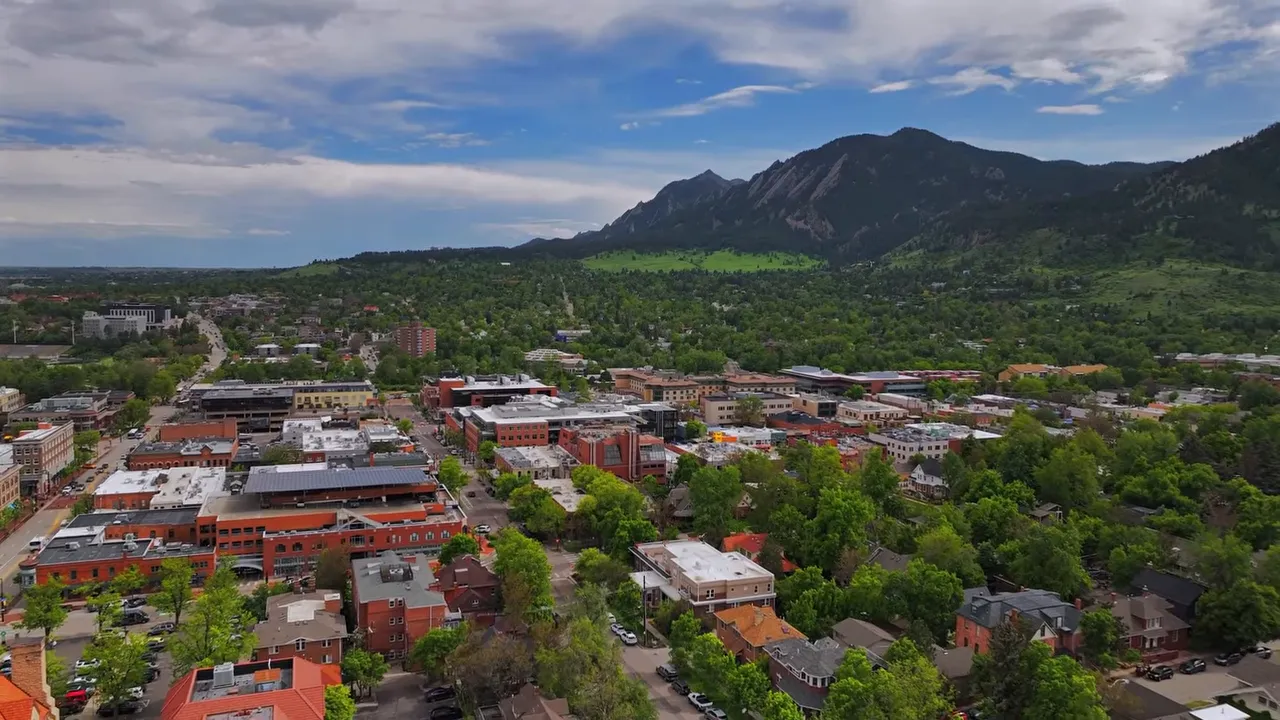
Access depends heavily on where you live in the metro. If you buy on the east side of I-25 because the house is beautiful and the neighborhood looks convenient, just know that getting to the mountains may take much longer than you imagined. And if you plan to head up there often, that drive time matters.
This is one of the most important location strategy conversations in moving to Denver Colorado. You need to choose based on your actual lifestyle, not the aspirational one you think might happen once in a while.
If mountain access is a major priority, that should influence where you live. If schools, work, price, or yard size matter more, then own that too. The right decision is the one that matches real life.
Fact #5: Denver Traffic & Population Growth
Rapid growth and crowding are part of life now.
Denver has grown fast. Over the last decade and beyond, population growth has added pressure to roads, neighborhoods, schools, parking, and recreation areas. Even when migration slows, the metro is still catching up with past growth.
That means traffic is not some occasional inconvenience. It is a regular part of life. Commutes can stretch quickly during rush hour, and infrastructure has not fully kept pace.
The crowding shows up in recreation too. Popular trails are packed. Camping often requires planning far in advance. Reservations are now normal for many of the places and activities people assume will be spontaneous.
Even easy local escapes can get crowded on weekends. Lakes, reservoirs, and popular trailheads fill up. Parking can become its own sport.
This does not mean the lifestyle is not worth it. It just means that moving to Denver Colorado works best for people who are okay sharing the outdoors with everyone else who had the same great idea.
Fact #6: Do You Need a Car in Denver?
The car is your life.
If you are coming from a metro with strong public transportation, Denver may feel more car dependent than expected.
There is public transit here. RTD buses and light rail absolutely exist, and some routes are helpful, especially into downtown or to major destinations. But for most people, transit is not a full replacement for a car. It is usually an add on.
You still have to get to the station. You still have to deal with the weather. You still have to solve the last mile problem once you arrive.
The overwhelming majority of commuters rely on personal vehicles, and average commute times can add up fast. That is why areas like Lakewood, Littleton, and Arvada are often attractive for people who want better access to downtown without living in the core.
When moving to Denver Colorado, think carefully about your job location and your tolerance for daily driving. It will shape your quality of life more than almost anything else.
Fact #7: Denver's Active Outdoor Lifestyle
Someone is always doing something more epic than you are.
Denver has a very fit, very active culture. That can be inspiring, but it can also be humbling.
Your neighbors are running trails before work, skiing on weekends, mountain biking all summer, training for something, or casually doing things that would be a bucket list event somewhere else. There is a real keep up with the Joneses feeling here, except the Joneses are skinning uphill before sunrise.
If you are single, this dynamic shows up in dating too. A lot of social life revolves around activity, not just dinner or drinks. Hikes, golf, ski days, fitness, and outdoor plans are often part of the culture.
For the right person, this is energizing. For someone who wants a quieter, less performance oriented culture, it can feel exhausting.
Fact #8: Adjusting to Denver's High Altitude
The altitude will humble you.
This is separate from dryness. It deserves its own fact because altitude affects people physically in a very real way.
If you are moving to Denver Colorado from sea level, do not assume your normal fitness translates instantly. It probably will not. You may feel headaches, fatigue, shortness of breath, and that strange feeling of being weirdly tired from doing something simple.
Even a normal walk can hit differently at first. It takes time for your body to adapt, often a few weeks.
The good news is that acclimation happens. Over time, many people feel stronger and more conditioned. There is a reason high-level athletes train at altitude in Colorado. But in the beginning, the altitude has a way of reminding everyone who is in charge.

Fact #9: Cost of the Colorado Outdoor Lifestyle
The outdoor reality check is that the lifestyle costs money.
This is one of the most overlooked parts of moving to Denver Colorado. People budget for housing, but they do not always budget for the life they moved here to live.
If your hobbies are gym workouts or pickleball, great. That can be manageable. But if your dream is skiing, mountain biking, road biking, paddling, camping, and all the rest, the cost adds up quickly.
- Ski day passes can be expensive
- Season passes can run around a thousand dollars
- Bikes can cost thousands
- Gear costs are very real
- Even lift-accessed bike parks and half day experiences add up fast
The key point here is simple: do not stretch so hard on a house that you cannot afford the actual Colorado lifestyle afterward.
Fact #10: Denver Homeownership Costs
Property taxes, insurance, HOA fees, and hail all affect your budget.
Home price is only part of the story. Monthly affordability in Denver depends on much more than the sticker price.
When I look at a housing budget, I want the full picture:
- Mortgage payment
- Interest rate
- Property taxes
- Insurance
- HOA fees
- Maintenance and future repairs
- Potential special assessments
Property taxes vary quite a bit depending on the area and whether a home sits in a metro district. HOA fees are also common and can range from modest to substantial depending on amenities and community structure.
And because hail is a real issue here, roofs and insurance claims are not abstract concerns. They are part of responsible budgeting.
If you are moving to Denver Colorado, please do not shop by price alone. Shop by total monthly reality.
Fact #11: Denver Job Market & Employment
The job market reality check is that competition can be intense.
Denver attracts high earners, especially in tech and finance, but that does not mean landing a job is easy. In fact, competition can be fierce, and job searches can take longer than people expect, even for very capable professionals.
That matters because salary growth has not always kept pace with cost of living pressure. Median income is not sky high, and if you are depending on a future job change to make the numbers work, that can be risky.
For anyone in a location-dependent field like healthcare, education, or service work, community choice matters even more. Where you work and where you live need to make sense together.
When moving to Denver Colorado, base decisions on real income, real commute patterns, and real job prospects, not just optimism.
Fact #12: Is Moving to Denver Colorado Affordable?
Affordability fatigue is real.
This is the big one that ties everything together. Housing here feels difficult for a lot of people. After strong appreciation in recent years and a higher interest rate environment, entry costs can feel heavy.
A home that might have felt manageable a few years ago can carry a dramatically different payment today. And with median single-family pricing around the mid six figures in the metro, buyers often have to make tradeoffs.
That does not mean moving to Denver Colorado is impossible. It means success here usually comes from balancing priorities well.
You may need to choose between:
- More space or a shorter commute
- Newer construction or a larger lot
- Closer mountain access or lower cost
- Urban lifestyle or easier affordability
The move can absolutely be worth it. But the people who feel best about it are usually the ones who make those tradeoffs intentionally instead of getting blindsided by them later.
FAQs About Moving to Denver Colorado
Is moving to Denver Colorado a good idea for everyone?
No. Moving to Denver Colorado is a great fit for some people and a frustrating fit for others. It depends on your budget, commute tolerance, job situation, and whether you truly want the lifestyle that comes with the climate and culture here.
What is the biggest surprise for people moving to Denver Colorado?
The biggest surprises are usually the altitude, the dryness, the cost of housing, and how long it can actually take to get into the mountains depending on where you live.
Do you need a car in Denver?
For most people, yes. Public transportation exists, but daily life in Denver is still heavily car dependent, especially if you are commuting, running errands, or planning to enjoy activities across different parts of the metro.
Is Denver weather hard to handle?
It can be unpredictable, but many people adjust well. The bigger challenge is how fast conditions change. Snow, sun, hail, and temperature swings can all show up quickly, so layers and flexibility are part of living here.
Is it expensive to live the Colorado outdoor lifestyle?
Yes, it can be. Skiing, biking, gear, passes, and weekend recreation can add thousands to your annual spending. That is why housing budget and lifestyle budget need to be planned together.
What should I think about most before moving to Denver Colorado?
Focus on four things first: your total monthly housing budget, your job location, your desired lifestyle, and how often you realistically want mountain access. Those four choices usually drive everything else.
If you’re thinking about buying in Denver (or relocating to the Denver metro) and want help figuring out the right neighborhoods and the real monthly numbers, reach out to me. Call/Text 720-606-4518 or book a FREE consultation here and let’s talk through your goals.
READ MORE: Moving to Denver Colorado? Homes That Are Selling Fast (and That Aren't)