Moving to Denver Colorado sounds simple until you realize Denver is not just one vibe, one commute, or one kind of neighborhood. The metro is a patchwork of urban districts, older suburbs, foothill communities, new build corridors, golf enclaves, and mountain-adjacent pockets that all live completely differently.
That is the part people miss.
They come for sunshine, trails, skiing, breweries, concerts, and that Colorado lifestyle. But the area you choose can either put you minutes from trailheads and mountain routes, or stick you in long traffic bottlenecks far from the things you actually moved here to enjoy.
If you are moving to Denver Colorado, the smartest thing you can do is stop thinking only in terms of home price or square footage and start thinking about how you want your days to feel. Commute. Walkability. Age of homes. Access to parks. Access to mountains. New construction versus mature landscaping. These tradeoffs matter a lot here.
Table of Contents
- Moving to Denver Colorado: Downtown Denver
- Best Denver Suburbs: Lakewood, Arvada & Golden
- Living in Littleton, Ken Caryl & Roxborough
- Denver New Construction: Sterling Ranch & Castle Rock
- Highlands Ranch, DTC & Lone Tree Living
- Living in Aurora & Parker Colorado
- Commerce City, Thornton & Northglenn Guide
- Westminster, Broomfield & Northwest Denver Suburbs
- Living in Boulder Colorado
- How to Choose the Best Denver Area
- FAQs About Moving to Denver Colorado
Moving to Denver Colorado: Downtown Denver
When people picture Denver, they are usually picturing the central urban core. This is where you get the landmarks, the stadiums, the big events, the shopping districts, and the neighborhoods with the strongest city feel.
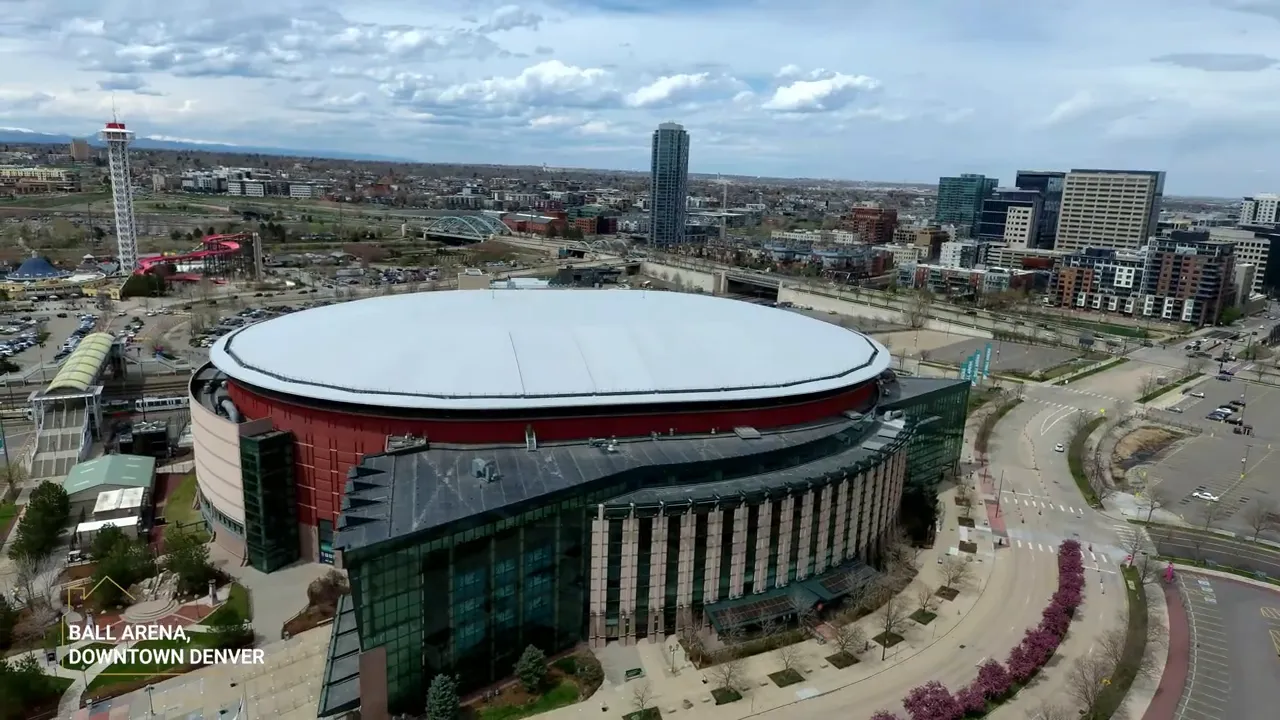
Think City Park, Cherry Creek, Union Station, Coors Field, Ball Arena, Empower Field, and all the surrounding neighborhoods that make central Denver feel alive.
This part of Denver is ideal if you want:
- Walkability
- Restaurants and nightlife
- Easy access to major events
- Condos, townhomes, and renovated historic homes
- A true urban environment
Cherry Creek leans more polished and upscale, especially for dining and shopping. Wash Park is a favorite for people who want a neighborhood feel with good walkability. As you head south, areas like Platt Park and South Broadway keep an urban energy but with a little more personality and grit.
South Broadway, or SoBo, is one of those areas that keeps attracting attention because it mixes older small homes with sleek newer townhomes built on redeveloped lots. That means the streetscape can change block by block. One house may be a compact bungalow, and the next may be a modern luxury infill home.
If you are moving to Denver Colorado and want the action close by, this core makes sense. Just know that you are paying for access and lifestyle, not necessarily lot size or quiet.
EXPLORE HOMES FOR SALE IN DENVER COLORADO
Best Denver Suburbs: Lakewood, Arvada & Golden
Head west from downtown and things start changing quickly.
Lakewood, Wheat Ridge, and Arvada are some of the most practical options for people who work in central Denver but care deeply about mountain access. Commutes into downtown can be very reasonable from here, especially compared with farther-flung suburbs.
This is one of the strongest areas for people who want a suburban setup without giving up easy access to foothill trails and westbound drives into the mountains.
There are some important tradeoffs though.
These are older suburbs. Compared with newer planned communities, they can feel less polished and less intentionally designed for bike lanes, pedestrian corridors, and modern infrastructure. A lot of the housing stock is older too, though many people actually like that because older homes often feel sturdier and sit on more established lots.
What really pushes values here is proximity to recreation. In Lakewood alone, you are close to Bear Creek Lake Park, Green Mountain, Red Rocks, Dinosaur Ridge, and Matthews Winters. If hiking or biking is central to your life, this whole western band becomes very compelling.
And then there is Golden.
Golden is the gateway. If mountains are your thing, Golden is one of the most strategic places in the metro because it sits right at the entrance to those westbound routes. It commands a premium for exactly that reason. You are paying for access, scenery, and a very specific Colorado feel.
One warning here is traffic. Wadsworth can get seriously congested, and some routes that look easy on a map can double in drive time during rush hour. So the west side is fantastic, but only if you are honest about your commute patterns.
Living in Littleton, Ken Caryl & Roxborough
If you are moving to Denver Colorado and want one of the most balanced quadrants in the metro, the southwest deserves a close look.
Littleton is one of those places that works for a lot of different people because it feels suburban but still stays pretty connected to the city. There are parks, shopping centers, local restaurants, and a very functional route into Denver by way of Santa Fe.
Downtown Littleton has a charming main stretch with events, dining, and light rail access.
That said, Santa Fe is one of those roads that can become a headache fast. If you need to commute downtown regularly, you need to understand what that route feels like at the times you would actually be using it.
The southwest really shines when you look at recreation. Chatfield State Park is a huge draw for boating, paddle boarding, biking, and just getting outside without leaving the metro too far behind.

Waterton Canyon is another standout, especially if you want mellow riding, family outings, or access to the beginning of the Colorado Trail. That is where the vibe starts shifting from suburban to more adventurous.
Ken Caryl has a very loyal following, and for good reason. It delivers that mountain-suburban feel that a lot of people want but struggle to define. A major perk is access to private trails in some sections, and if hiking or biking is a huge part of your routine, that matters.
Roxborough is beautiful in a completely different way. You are tucked into dramatic red rock scenery, and the views can be stunning. It includes both higher-end golf community living and more standard single-family neighborhoods.
One thing to note in some of these areas and newer adjacent communities is open fencing rules. If backyard privacy matters a lot to you, read the details before falling in love with the setting.
Denver New Construction: Sterling Ranch & Castle Rock
For many people moving to Denver Colorado, the dream is a brand-new home. If that is you, the outer ring of the metro is where the action is.
Sterling Ranch is one of the biggest new build zones in the southwest. The homes are modern, polished, and built by a range of major builders. Design-wise, they are very appealing.
But new builds always come with tradeoffs, and Sterling Ranch has a big one: metro district taxes. In plain English, that means property taxes can be much higher because the area is still building out roads, schools, and infrastructure.
You also usually get:
- Smaller lots
- Fewer mature trees
- Fresh construction but less established character
- More limited route options in and out
Commute bottlenecks can be real from Sterling Ranch and Roxborough because there are only a couple practical ways back into the main metro flow.
Now, if you want new construction in a location that is especially strategic, RidgeGate is a very interesting option. It sits east of I-25 near Lone Tree, and that placement matters. You are not way out on the plains, but you are still getting access to newer development and major roads.
The Canyons and nearby Castle Pines also stand out because they offer newer homes in a much stronger location than many other new build communities. If you want a fresh home but still care about being connected to Lone Tree, DTC, Parker, or I-25, this corridor deserves attention.
Castle Rock is a separate conversation. It has a strong family appeal, lots of new construction, and its own community identity. It is polished, newer, and easy to settle into.
But if your goal in moving to Denver Colorado is frequent mountain access, Castle Rock may disappoint you. It is farther from the main mountain routes than people expect, and airport trips are longer too. Commutes north on I-25 can also be frustrating.
Highlands Ranch, DTC & Lone Tree Living
The southern band of the metro has huge variety.
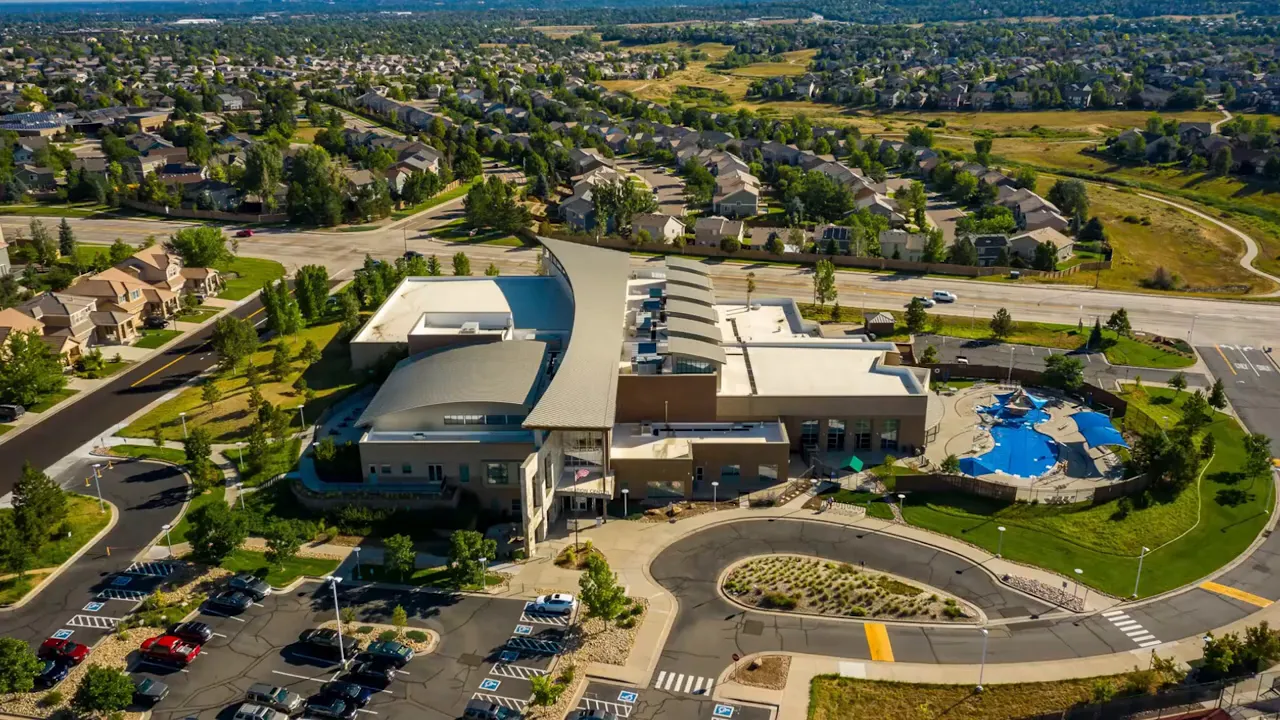
Highlands Ranch is one of the classic master-planned communities. It still feels newer than its actual age because it was built with cohesion. It also has a major amenities advantage through its recreation centers, community pools, and trail system.
If you want neighborhoods that feel functional, family-oriented, and active, Highlands Ranch is a strong fit. It is also connected by a lot of gentle rolling trails that work well for everyday outdoor life.
Englewood is very different. Closer to Broadway, it has more of that urban, walkable, eclectic feel. More restaurants, more edge, more personality. Housing ranges widely here, which is part of the appeal.
Greenwood Village and Cherry Hills sit at the high end. These are luxury zones with a quiet, tucked-away feel despite their central location. Inventory can be limited, and that exclusivity is part of what drives prices.
Then there is DTC, the Denver Tech Center.
DTC is one of the best options for people who want walkability and convenience without being in the busiest part of downtown. There are businesses, restaurants, condos over shops, event venues, and a distinctly more polished corporate feel.
Lone Tree is closely tied to DTC because the access is so good. It also benefits from Park Meadows, strong retail, newer office growth, and attractive neighborhoods. If you want a more upscale suburban experience with fast access to the southern job core, it is easy to see why people like it.
Centennial is a bit of a mixed bag because it covers such a broad and oddly shaped area. Some parts feel older and less cohesive. Others are closer to the nicer retail and newer development patterns near Lone Tree and the southeast corridor. This is absolutely one of those places you need to experience street by street.
Living in Aurora & Parker Colorado
Aurora and Parker get a lot of attention from people moving to Denver Colorado because the prices can look more approachable, especially compared with west side or central areas.
But these zones are not all the same.
Older parts of Aurora and Centennial can feel more dated, both in infrastructure and overall atmosphere. That does not mean they are bad. It just means you should know what you are buying into. Older shopping centers, older traffic patterns, and more variation in property condition are part of the equation.
Further east near Southlands, things feel newer, cleaner, and more built out.
The Southlands and Saddle Rock side of Aurora offers strong value relative to other parts of metro Denver, and Aurora Reservoir is a major recreational plus if you enjoy water access.
Parker has a lot of fans because it feels newer and well kept. Many areas are built on rolling plains and hills, and the overall environment feels polished. The downside is that distances can be deceptive. A drive that looks short on the map can feel a lot longer in real life.
The Pinery, Stonegate, and nearby communities all have their audience. If you want newer infrastructure and are less concerned with being right next to the foothills, this part of the metro may fit well.
One caution in both Aurora and Parker, especially with older resale homes, is deferred maintenance. A house can look attractively priced online and still come with a long repair list. In these areas especially, inspection quality matters.
Commerce City, Thornton & Northglenn Guide
The northeast side is not where most people land if they are dreaming of the classic Colorado lifestyle.
Commerce City feels industrial. That is the simplest and most honest way to put it. Trains, factories, and a more commercial environment shape the feel of the area.

Thornton and Northglenn are more residential and often a bit less expensive than the western suburbs, but they also skew older. They can make sense if budget is the main priority and your lifestyle does not revolve around easy mountain access.
The bigger issue up here is commute pain. Northbound and southbound traffic on I-25 can be rough, and that stretch can feel endless.
There is also the interchange area often called the mousetrap, and if you are not familiar with it, it can be a stressful drive with constant lane decisions.
These northern and northeastern areas are worth considering only after you line them up against what you really want day to day. Lower price does not always mean better fit.
Westminster, Broomfield & Northwest Denver Suburbs
If the west side is about direct foothill access, the northwest is about balance.
Westminster offers larger lots in many sections, a generally nicer feel than some of the cheaper northern options, and access to open space like Standley Lake.
It also starts pulling you visually and geographically closer to the foothills. White Ranch, Golden, the Table Mountains, and nearby trail systems become more available from here.
Arvada and Westminster can blend together in feel more than people realize. Both sit in that urban-suburban middle ground, and Arvada has a fun little downtown district that adds character.
Broomfield, Superior, Louisville, Lafayette, Erie, and Longmont all come into the conversation as you move farther north and northwest. Many of them are cute, well-liked communities with their own downtowns or neighborhood centers.
The caution is commute. If your work or regular life revolves around downtown Denver or the I-70 mountain corridor, these locations can add more daily friction than a map suggests.
Living in Boulder Colorado
Boulder is not just another suburb. It is its own thing entirely.
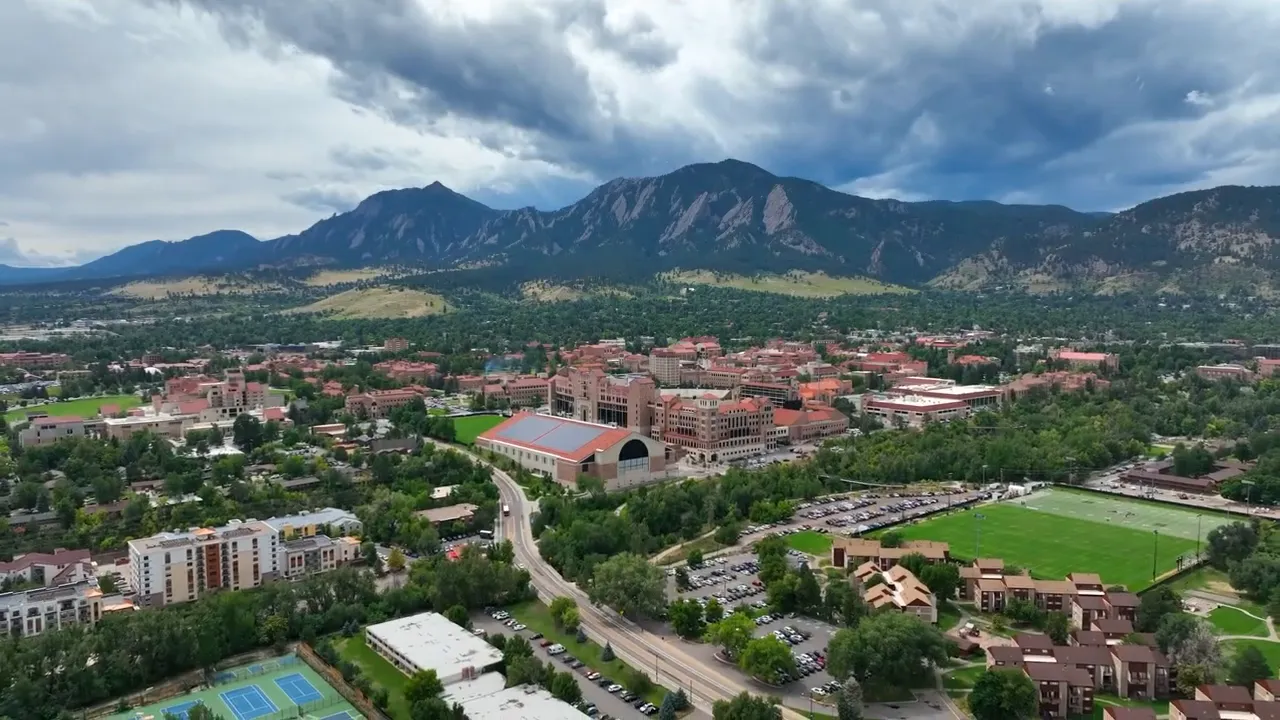
Prices jump dramatically as you move closer to Boulder because the lifestyle is incredibly specific and very desirable. You get the Flatirons, canyon access, climbing, trails everywhere, great parks, the reservoir, and the unmistakable Pearl Street atmosphere.
Boulder feels active, outdoorsy, educated, and expensive. Very expensive.
That is why nearby towns like Superior or Louisville enter the conversation for people who want Boulder access without paying full Boulder prices. Even then, affordability is relative.
If you are moving to Denver Colorado because daily outdoor access is your top priority and budget is not your main limitation, Boulder is easy to love. If budget does matter, you have to decide whether proximity to Boulder is worth the premium.
How to Choose the Best Denver Area
Here is the big takeaway.
Moving to Denver Colorado is really about matching your home base to your actual habits.
Ask yourself:
- Do you need true mountain access every week?
- Do you want a walkable urban lifestyle?
- Are new homes more important than mature neighborhoods?
- Will you commute downtown, to DTC, or to the airport?
- Do you care more about views, lot size, or amenities?
- Do you want boating, biking, skiing, or shopping closest to home?
If mountains are central to your life, staying west or southwest often makes the most sense.
If you want polished suburban convenience with strong amenities, look hard at Highlands Ranch, Lone Tree, or some of the newer southern corridors.
If you want urban energy, focus on central Denver, Cherry Creek, Wash Park, SoBo, or Englewood.
If you want more house for the money, southeast Aurora and some Parker areas can stretch the budget better, but you need to be realistic about location tradeoffs.
And above all, drive the areas. A neighborhood that looks perfect online can feel completely wrong in person, and a place you almost ignored on the map can end up fitting your lifestyle beautifully.
EXPLORE HOMES FOR SALE IN DENVER COLORADO
FAQs About Moving to Denver Colorado
What is the best area for moving to Denver Colorado if I love the mountains?
The west and southwest sides are usually the strongest fit. Golden, Lakewood, parts of Littleton, Ken Caryl, and nearby foothill-adjacent areas make mountain access much easier than eastern suburbs.
Which areas are best for new construction?
Sterling Ranch, RidgeGate, The Canyons, Parker, Castle Pines, Castle Rock, Aurora Highlands, and some outer-ring communities have the most notable new build activity. Just pay attention to tax districts, lot sizes, and commute patterns.
Is downtown Denver the best choice for moving to Denver Colorado?
It depends on your priorities. Downtown and nearby urban neighborhoods are great for walkability, restaurants, events, and city energy. They are not the best fit if you want a bigger lot, easier parking, or quick mountain escapes every weekend.
Where can I get more house for the money?
Generally speaking, farther east and southeast areas such as newer parts of Aurora can offer more space at lower prices than west side or central locations. The tradeoff is less direct mountain access and, in some places, a more suburban or sparse feel.
What areas should I be cautious about before choosing?
Any area that looks inexpensive for the metro deserves a careful in-person visit. Parts of older Aurora, Federal Heights, Green Valley Ranch, Commerce City, and far-out eastern neighborhoods can feel very different in person than they appear online.
What is the most balanced area for families?
That depends on the family, but Highlands Ranch, Littleton, Lone Tree, Castle Rock, and some Parker neighborhoods are often appealing because they combine neighborhood amenities, parks, and a more residential rhythm.
If you’re ready to narrow down the best neighborhood for your lifestyle, contact me today and let’s talk through your priorities—mountains, commute, walkability, and budget. Call/Text 720-606-4518.
READ MORE: Moving to Denver Colorado? Avoid These Overpriced Neighborhoods