The biggest developments in Denver Colorado are not just changing skylines. They are changing the day to day experience of choosing a neighborhood, commuting to work, finding walkable amenities, and deciding where a home may fit your life long term.
From a massive riverfront district beside Ball Arena to the reinvention of the National Western Center and the explosive growth around RidgeGate in Lone Tree, Denver is building three very different versions of its future. One is intensely urban. One is anchored by public investment, education, and events. One is a huge south metro expansion built around employers, new housing, transit, parks, and retail.
That matters because real estate is local. The right place is not simply the zip code with the biggest headlines. It is the place where your budget, lifestyle, commute, housing needs, and favorite version of Denver all come together.
Table of Contents
- Living in Denver Colorado: Why Development Matters
- River Mile Development in Downtown Denver
- National Western Center in North Denver
- RidgeGate Development in Lone Tree Colorado
- Denver Colorado Housing Market in 2026
- Choosing Where to Live in Denver Colorado
Living in Denver Colorado: Why Development Matters
If you knew exactly where Denver would be headed by 2030, it probably would influence where you buy today. That does not mean chasing every new construction project or assuming that every development produces immediate appreciation. It means understanding the forces that can support a location over time.
The most meaningful developments in Denver Colorado bring more than buildings. They bring a fuller ecosystem:
- Housing in a range of styles and price points
- Jobs and major employers
- Transit, roads, pedestrian connections, and mobility improvements
- Retail, restaurants, parks, trails, and public gathering spaces
- Universities, cultural destinations, and year round activity
When those pieces grow together, a neighborhood can become more useful and more desirable. When infrastructure and amenities fall behind new density, though, the experience can be very different. That is why it is worth looking at the whole plan, not just one shiny rendering.
For anyone considering living in Denver Colorado, these projects illustrate just how varied the metro can be. Downtown offers an urban, high rise, transit connected future. North Denver is gaining a major education and event district. South metro is expanding into a large, mixed housing community that sits close to major employment centers.
River Mile Development in Downtown Denver
River Mile may be the most dramatic urban infill story among the current developments in Denver Colorado. The site is a roughly 62 acre stretch of parking lots next to Ball Arena, and it is planned to become a true neighborhood along the South Platte River.
Denver City Council has approved the framework for River Mile. The long range plan calls for up to 15,000 housing units over roughly 20 years, along with offices, retail, and new public access to the river. That is an enormous amount of housing for a site that has historically functioned largely as surface parking.
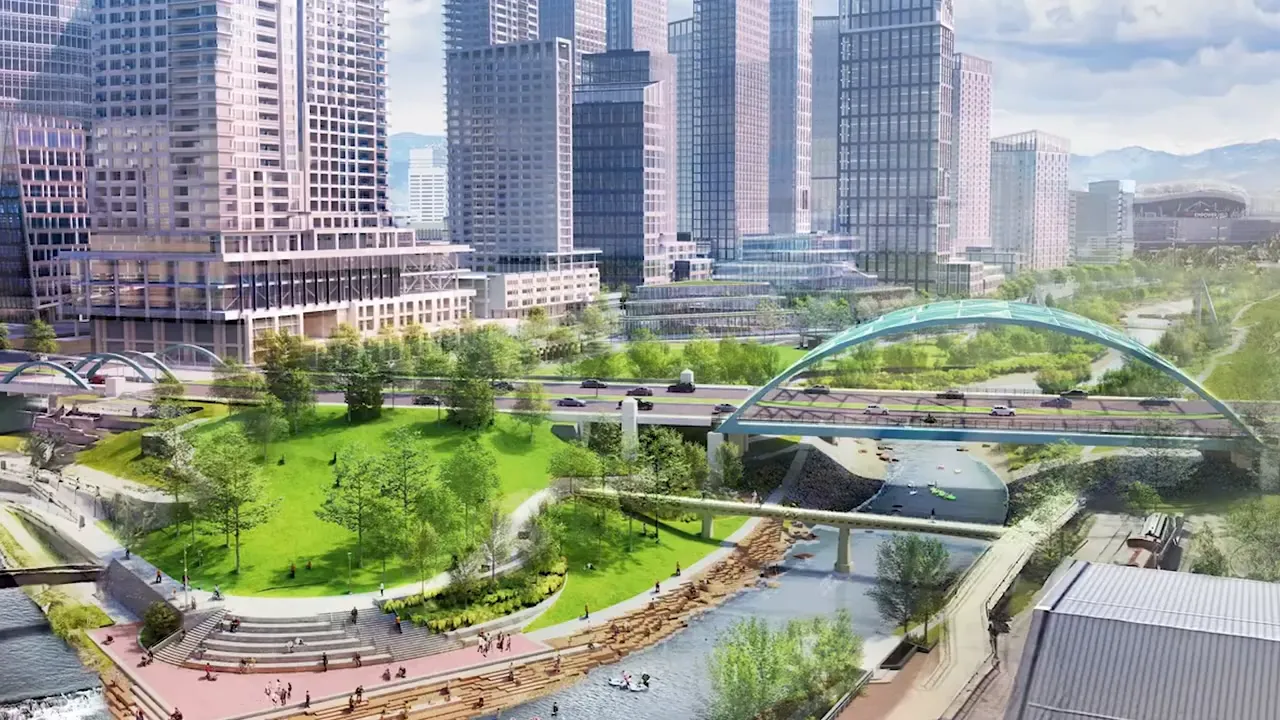
This is the complete opposite of the empty office tower narrative people often associate with downtown after the pandemic. River Mile is about taking underused land and building a neighborhood where people can actually live, walk, gather, shop, and connect to the city around them.
The concept is especially compelling because it is not only about residential towers. The vision includes green space and river access, helping create something that feels more like an oasis inside the city than another isolated block of buildings.
Transit And Amenities Are The Real Story
A new RTD rail alignment project is expected to be completed by 2027. When transportation, retail, restaurants, public space, and housing are integrated from the start, the area becomes more practical for everyday life. Those details are what make large scale developments in Denver Colorado feel livable rather than simply dense.
For buyers who already love places such as Capitol Hill or LoHi, future downtown high rises around River Mile may be worth following. For owners near downtown, more residents and foot traffic can support home values when the infrastructure and neighborhood amenities keep pace.
River Mile is one of the largest urban infill efforts happening anywhere in the country, and it sits directly within Denver city limits. That is a very different growth profile from what is happening in the suburbs.
National Western Center in North Denver
On the other side of downtown, the National Western Center redevelopment is transforming far more than the annual stock show experience. This roughly $1.1 billion effort is funded through a combination of city bonds, state money, and partnerships that include Colorado State University, History Colorado, and the Denver Museum of Nature and Science.
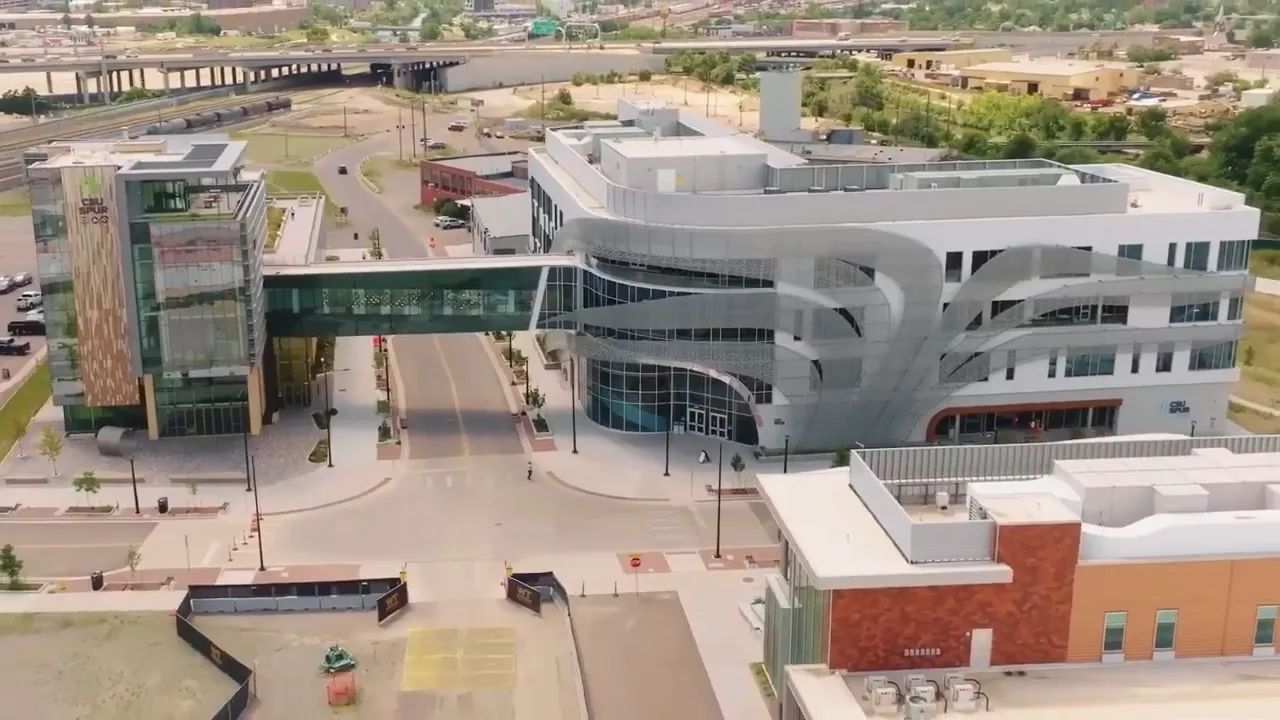
CSU Spur already has three public facing buildings open on the site:
- Vida, focused on animal health
- Terra, focused on food and agriculture
- Hydro, focused on water
An equestrian center and expo hall are also under construction. The larger goal is to host events and activity throughout the year, instead of concentrating energy into the two weeks each January when the National Western Stock Show normally takes over the area.
That distinction is huge. The point is not just creating a nicer stock show. It is building a district with jobs, university presence, visitors, foot traffic, and new reasons to spend time in a part of Denver that has not experienced this level of investment in decades.
What Public Investment Can Mean For Nearby Homes
Among the major developments in Denver Colorado, this one demonstrates how public investment can change the trajectory of an area. Over time, upgraded Denver neighborhoods have often benefited from new institutions, improved amenities, and stronger activity levels.
Of course, buyers should still focus on the property itself, its exact block, transportation access, and personal lifestyle. But a major reinvestment district can provide a meaningful long term tailwind for nearby communities.
RidgeGate Development in Lone Tree Colorado
If you want to see the largest single transformation in the Denver metro, drive about 20 minutes south of downtown to RidgeGate. This is one of the most consequential developments in Denver Colorado because of its sheer scale.
RidgeGate currently has around 5,000 residents. By 2030, the vision is approximately 30,000 residents across 10,000 housing units. That is six times the current population, built through a mix of single family homes, townhomes, condos, and apartments.
The community is planned around three residential villages and two mixed use districts. That variety is important. Not everyone wants a detached house, and not everyone wants a high rise condo. RidgeGate is positioned to offer multiple ways to live close to retail, employers, and regional transportation.
Major Employers Create A Foundation
The west side of I 25 already includes major employers such as Charles Schwab, HCA HealthONE, and Sky Ridge Medical Center. Charles Schwab relocated its corporate headquarters from San Francisco to Lone Tree, bringing thousands of high income employees into the corridor.
That kind of anchor employer matters. It creates real support beneath a development because housing, retail, and services are not being built in a vacuum. There is an existing employment base that helps sustain the growth around it.
Mobility And Park Investments Are Taking Shape
The Sky Ridge at Lone Tree Station mobility hub is a $16.5 million project. It includes a pedestrian bridge over I 25 that connects into Lone Tree, an important improvement for a corridor where highway access can otherwise divide destinations.
High Note Park is another major component of the plan. It has been in planning for more than 25 years. Phase 1 broke ground in April 2026 and is expected to open by fall 2027, bringing a regional park into the growth story.
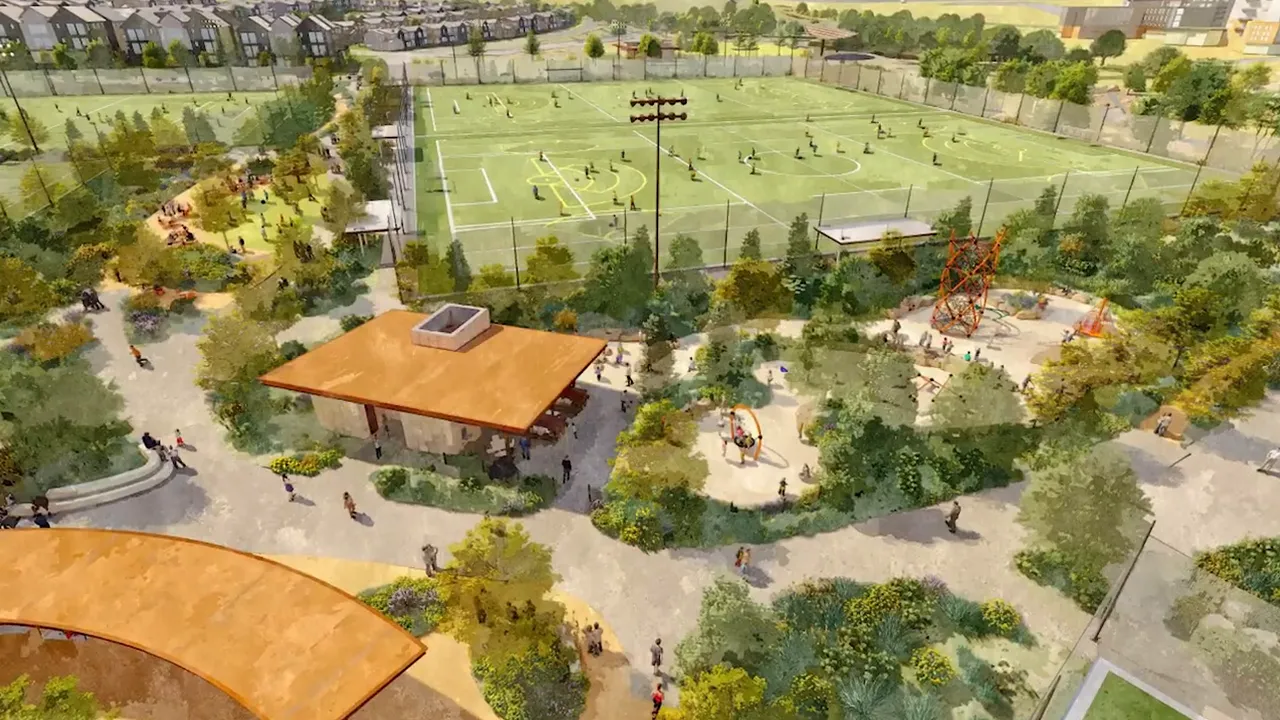
This is why RidgeGate growth is not contained only within a new development boundary. Major employers, transportation connections, parks, retail, and housing options can influence the wider Lone Tree area. Lone Tree has ranked as Denver's top selling master planned community for the past five years and has been Colorado's top selling community for the past two years.
For people living in Denver Colorado who want walkable retail and a newer south metro environment, RidgeGate is a major place to watch. But if daily trail access, hiking, mountain biking, or large open spaces are more important than retail convenience, that personal priority should absolutely shape the search area.
Denver Colorado Housing Market in 2026
Big plans are exciting, but the current market still matters. The July 2026 DMAR report puts the Denver metro median closed price at $605,000. Homes are selling in a median of 21 days, and sales are down 12% year over year.
Buyers are being thoughtful before making an offer. Inventory is sitting around 12 weeks, or about two months of supply at the current sales pace. That is meaningfully higher than the extremely tight market from two or three years ago.
In practical terms, buyers are not facing the same level of nonstop competition everywhere. At the same time, a well priced home can still move quickly. Those two facts can both be true, which is why pricing and neighborhood selection remain so important.
Lone Tree And Highlands Ranch
Lone Tree homes are taking about 25 days to sell. Closings are down 9% from the prior year, but they remain 36% higher than they were in 2024. This points to a market that is still growing rapidly after a major expansion year. Average prices are hovering around $1 million, placing Lone Tree and RidgeGate firmly in the higher end segment of the metro.
Highlands Ranch tells a different story. Average prices recently dropped by more than $100,000 to roughly $753,000. Homes are taking about 25 days to sell, while year to date closings are down more than 5%. Lone Tree continues to benefit from fresh development, expanding employment, retail, and new housing choices.
Denver Proper
Denver proper has average prices around $750,000, up approximately 11% year to date. Prices appear relatively stable, but sales volume remains historically low. Only 895 homes sold in July, compared with roughly 1,200 to 1,600 sales in a typical July before the pandemic housing boom.
That is close to 30% fewer transactions. Price stability does not necessarily mean a frantic market. Buyers are still moving cautiously, and communities near job growth and major new investment may have some of the strongest opportunities when activity returns.
Choosing Where to Live in Denver Colorado
The headline projects are important, but the best move is not automatically to buy nearest to them. The smartest decision starts with your actual life. A home can be an investment, but it is also the place where your days happen.
When comparing developments in Denver Colorado, consider these questions:
- Do you want an urban setting with restaurants, events, and high rise living?
- Would you rather be near major employers, newer housing, and south metro retail?
- How much does transit access matter compared with driving convenience?
- Are parks, trails, hiking, biking, and open space essential to your routine?
- What property type actually fits your budget and how you want to live?
- Would your commute, school needs, or family connections narrow the map?
River Mile, the National Western Center, and RidgeGate will all reshape the region during the next several years. But they serve very different lifestyles. River Mile is a downtown transformation. National Western is a major civic, educational, and event driven reinvestment. RidgeGate is a massive planned expansion in the thriving Lone Tree corridor.
That is the real takeaway from these developments in Denver Colorado. Choose the zip code with intention. Choose the place that works for your lifestyle now, while also understanding the direction it is heading. If you buy in the wrong place for your needs, you could spend years waiting for the area to catch up to the life you actually wanted.
FAQs About Denver Colorado Developments
What Is The Largest Development In The Denver Metro Area?
RidgeGate in Lone Tree is the largest single transformation discussed here. It is projected to grow from about 5,000 residents to approximately 30,000 residents across 10,000 housing units by 2030.
What Is Planned For River Mile In Downtown Denver?
River Mile is a 62 acre redevelopment beside Ball Arena. Its long term plan includes up to 15,000 housing units, office space, retail, public access to the South Platte River, and a new RTD rail alignment expected by 2027.
How Is The National Western Center Changing North Denver?
The roughly $1.1 billion redevelopment is creating a year round district with CSU Spur, new event facilities, an equestrian center, an expo hall, jobs, education, and more regular foot traffic.
What Is The Current Denver Metro Housing Market Like?
As of the July 2026 market report, the Denver metro median closed price was $605,000, the median time on market was 21 days, and inventory was around 12 weeks. Buyers have more room to be thoughtful, although well priced homes are still moving quickly.
If you’re thinking about buying a home in Denver, understanding how major developments like River Mile, the National Western Center, and RidgeGate could shape future neighborhoods can help you make a more informed decision. Call/text me at 720-606-4518 or book a FREE consultation here to discuss which Denver-area communities and opportunities best fit your lifestyle, budget, and long-term goals.
READ MORE: Buying a Home in Denver? Things Your Agent Should Tell You