How Data Centers Are Changing Denver Real Estate: What Buyers Need to Know
All the hype is about data centers, and you're not wrong to have questions. I've spent the last few months tracking how data centers are landing across the Denver metro, and honestly, the story is different depending on which zip code you're looking at. Some counties are hitting pause. Others are rolling out the welcome mat with tax rebates. A few are trying to split the difference with caps and new rules.
Data centers want our land, our power, and our water. You probably have questions about how this will affect your power bill, whether there's actually enough water in Denver, and what happens to home values in each of these areas. The short answer is it depends on where you're buying. The long answer is what I'm walking through in this article, neighborhood by neighborhood, so you know exactly what's happening before you fall in love with a house in the wrong spot.
I'm covering Golden, Arvada, Lakewood in Jefferson County, Parker and the rest of Douglas County including Castle Rock and Lone Tree , the northeastern edge of Aurora , Longmont and Boulder County , and the North Metro cities of Thornton, Westminster , and Northglenn . Each area is handling data centers in a completely different way, and if you're planning to live in one of these places for the next decade, you need to know what's zoned around the property and what the county has been approving lately. Let's jump into what's happening in the specific areas.
Table of Contents
- Golden, Arvada, Lakewood (Jefferson County): 10-Month Moratorium Through March 2027
- Parker: Flexential's Closed-Loop System and a 35-Year Tax Rebate
- Castle Rock, Lone Tree (Douglas County): No Site-Specific Proposals Yet, But the County Is Willing
- Aurora (Northeastern Edge): 67-Acre QTS Campus and 9 Data Centers Already Open
- Longmont: Capping New Data Centers at 5% of the Grid
- Boulder County: 6-Month Moratorium on New Applications
- Thornton: Moratorium Voted July 22nd
- Westminster: Considering a Ban of Its Own
- Northglenn: Part of the Regional Conversation
- How Data Centers Could Affect Your Power Bill, Water Supply, and Home Values
- Which Denver Metro Area Is Right for You?
- Conclusion
Golden, Arvada, Lakewood (Jefferson County): 10-Month Moratorium Through March 2027
If you're looking in Golden, Arvada, Lakewood , all of Jefferson County, here is the good news. There's actually no data centers at all in Jefferson County according to a county spokesperson quoted by Denver7. And it's not just that nothing's already been built. On May 19th, Jefferson County Board of Commissioners voted to put a 10-month moratorium on new data center applications and rezoning requests running all the way through March of 2027.
County Commissioner Rachel Zenzinger put it pretty plainly. She said the county needs to reevaluate how those facilities would interact with wildland urban interface, the water supply, and the county's overall health before it moves forward. I live really close to the Green Mountain Trail system in Lakewood, and this one does really hit home for me because literally I ride High Coast Trails every week. Water restrictions and open space concerns that the commissioner cited in that meeting are ones that I really think about and I hold dear to my heart all the time.
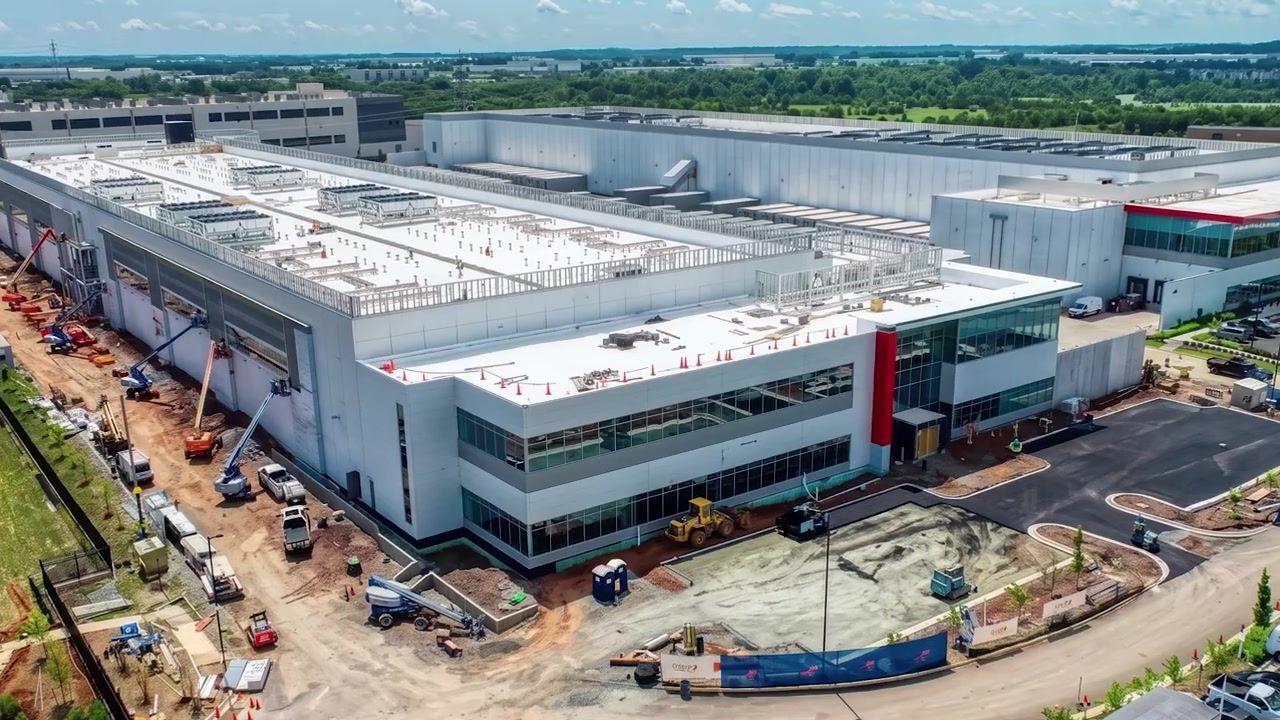
Arvada is actually following the same playbook. City Council held a study session in August to talk through an 18-month moratorium of its own. So the entire county is actually moving in the same direction at the same time. And here's what this means. If you're actually moving or buying or selling, you won't have to worry about an active data center project anywhere near you. The government just bought at least another year.
Why Jefferson County Matters for Buyers
These are some of the most desirable areas in the entire Denver metro region. The moratorium gives you breathing room if you're concerned about noise, traffic, water use, or long-term resale near a facility. Water restrictions and open space are ongoing considerations in this part of the metro, and the county is taking those seriously before approving anything new. If you're planning to live here for the next decade, you're buying into a county that's evaluating the trade-offs instead of rushing to approve projects.
Parker: Flexential's Closed-Loop System and a 35-Year Tax Rebate
Stark contrast from Jefferson County. Let's jump down south to Douglas County. On August 11th, the Board of Commissioners voted unanimously to approve a 35-year tax rebate on business personal property for Flexential . Flexential is a data center developer building in Parker , and this is really a tax windfall for the county.
The downsides of these data centers tends to be water consumption. Well, the good news is Flexential designed the Parker facility with a closed-loop system targeting near-zero operational water consumption, avoiding the 300,000 to 500,000 gallons a day that a typical evaporative plant would have used during peak summer. And the trade-off becomes the question of how much Xcel Power will increase their prices to homeowners. That is still a question that we don't have an answer for.
What This Means for Parker Buyers
Douglas County just proved it's willing to say yes to these projects when the tax deal is right. The closed-loop system is a big deal if water is your main concern. You're not looking at the same kind of daily water draw that other facilities require. But the potential Xcel Power price increases to homeowners are still on the table, and we don't know yet how much that will cost residents. If you're buying in Parker, ask what's zoned around the property and what the county has been approving lately. Don't trust the marketing on the listing or the builder's website.
Castle Rock, Lone Tree (Douglas County): No Site-Specific Proposals Yet, But the County Is Willing
If we're talking about the rest of Douglas County, I didn't find any site-specific zoning filings or proposals for Castle Rock or Lone Tree individually in the last 6 months. You're in the same county as this approved plan, but there's not one very close to your house at all.
What I would tell any client that's looking in this area is the same thing that I really tell all of my buyers: don't trust the marketing on the listing or the builder's website. Ask what's zoned around the property and what the county has been approving lately. Douglas County just proved it's willing to say yes to these projects when the tax deal is right, and so that's actually just a trend that's worth watching if you're planning on living in Parker or Castle Rock or Lone Tree for the next decade.
Why This Matters for Long-Term Buyers
You're not dealing with an active project right now, but the county's track record tells you something about how they'll handle the next proposal. If you're buying a home in Castle Rock or Lone Tree and you plan to stay for 10 or 15 years, it's worth asking what's zoned for industrial or mixed-use near the property. The county approved a 35-year tax rebate for Flexential, and that signals they're open to more deals like it.
Aurora (Northeastern Edge): 67-Acre QTS Campus and 9 Data Centers Already Open
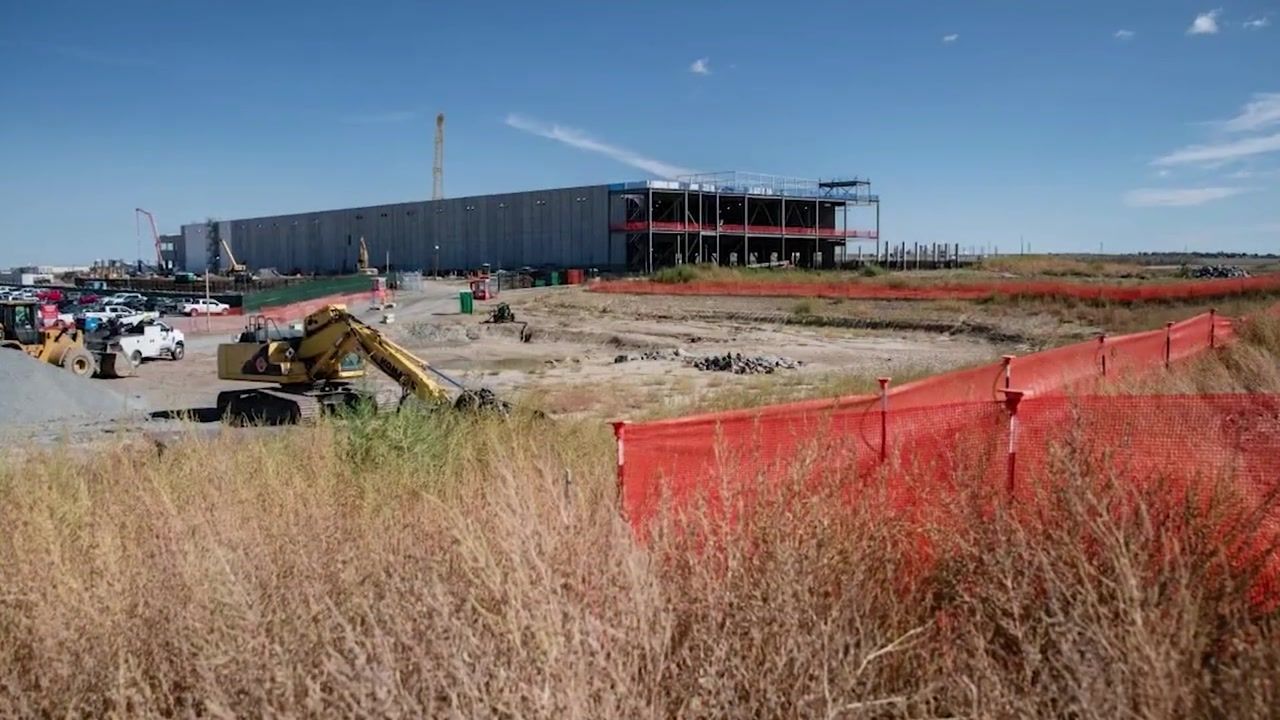
An area that's near and dear to my heart is Aurora . I actually grew up there. We're talking about the northeastern edge of the city, a little bit further west of Denver International Airport. QTS Realty Trust is building a 67-acre campus that will eventually pull 177 megawatts of electricity, according to reporting from the Colorado Sun. This is a single facility that will make QTS Xcel Energy's largest industrial customer in the entire state.
This isn't a proposal sitting in the drawer. CPR News reported in July that one of the 3 planned buildings on that site is already completed, a second is nearly finished, and crews are already prepping the ground for the third. Instead of a moratorium, the council ordered new rules banning evaporative cooling, the kind of cooling system that uses the most water.
What Aurora Buyers Need to Know
Aurora already has 9 of these data centers open in the city, and one of the council members, Wiles, put into words what a lot of the residents are feeling, pointing out that some of these areas zoned for data centers might sit right up against neighborhoods. There are some significant impacts from pollution to loud noise that's been hyping up the news so much.
However, there are plenty of areas in Aurora that people can live in and not be affected by this other than possibly increases in your energy bills. Knowing which actual zip code you're looking at matters more than ever with all of this. There's a huge difference between a home that holds its value and one that's fighting noise and traffic and water restrictions. The specific zip code matters more than ever. Some areas zoned for data centers sit right against neighborhoods, and you'll deal with pollution concerns, loud noise, and potential energy bill increases. Other parts of Aurora won't be affected other than possible energy bill increases.
Longmont: Capping New Data Centers at 5% of the Grid
Let's jump up north. Longmont and Boulder County did something that other markets actually haven't done yet. It didn't ban data centers, it actually capped them. In June, Longmont City Council voted to cap new data center energy usage at 5% of the region's grid, or 100 megawatts.
That matters because those numbers target hyperscale data centers, and the 100-megawatt cap effectively tells the biggest players to build somewhere else. So what you're seeing here is a different strategy than Jefferson County's full pause or Douglas County's yes to the Parker facility. Longmont is saying come here if you're reasonably sized and support us, but don't bring the biggest projects on the market.
Why the Cap Matters for Longmont Buyers
If you're looking at a home in Longmont, this is actually useful information to have in your pocket. The city is allowing reasonably sized data centers but not the hyperscale facilities that pull the most power and water. You're not looking at a full ban, and you're not looking at a free-for-all. It's a middle path that tries to balance economic development with infrastructure limits.
Boulder County: 6-Month Moratorium on New Applications
Boulder County took a similar approach in early June, passing a 6-month moratorium on accepting new data center applications, according to Backsteel's tracker of Colorado data center policy. You're seeing a different strategy than Jefferson County's full pause or Douglas County's yes to the Parker facility. Boulder County is saying we need time to figure out the rules before we approve anything new.
If you're buying in Boulder County, the moratorium gives you a window where no new applications are being accepted. That doesn't mean existing projects are stopped, but it does mean the county is taking time to evaluate how data centers fit into the area's infrastructure and long-term planning.
Thornton: Moratorium Voted July 22nd
North Metro, Thornton, Westminster , and Northglenn , they're still actually weighing the data center rules before major projects arrive. Thornton City Council voted July 22nd moratorium on new data centers according to the Northglenn Thornton Centennial.
If you're looking at homes in Thornton, the timing really does matter if this is a concern to you. Check the rules and the proposed sites before making a decision on a specific address, of course. The moratorium means no new applications are being accepted right now, but that could change once the moratorium expires.
Westminster: Considering a Ban of Its Own
Westminster is considering a ban of its own. I didn't find a final vote yet, but the city is part of the same regional conversation as Thornton and Northglenn. If you're looking at homes in Westminster, the timing really does matter if this is a concern to you. Check the rules and the proposed sites before making a decision on a specific address.
Northglenn: Part of the Regional Conversation
I didn't find any data center projects or disputes specific to Northglenn , though it's kind of part of that same regional conversation. If you're buying in Northglenn, you're not dealing with an active project or a moratorium right now, but the city is watching what Thornton and Westminster are doing.
How Data Centers Could Affect Your Power Bill, Water Supply, and Home Values
For the rest of us living in the Denver metro region, here's how this could affect your power bill, your water supply, and your home values.
Power Bills
Colorado regulators approved a $157 million Xcel Energy rate increase, which raises the average monthly residence bill from about $105 to $110. That increase is not a separate data center charge. Under Xcel's proposed large load tariff, customers using 50 megawatts or more, and some using as little as 20 megawatts, would pay for infrastructure built to serve them. The proposal is actually still up before regulators, so we'll find out how that actually impacts consumers.
Water Supply
Water supply is a big discussion. Existing data centers in Denver and Aurora area use an estimated 1 to 40 acre-feet per facility each year. 1 acre-foot is roughly 2 households' annual use. Denver Water declared a Stage 1 drought in March and called for a 20% reduction in water use. I mean, I know that my yard has actually suffered.
Home Values
One of the things people ask me often is, how will this affect the value of my home in the future? Well, a 2026 Realtor.com analysis found no meaningful difference between regional price trends near data centers and those in comparable neighborhoods. Distance really does matter though. If you have specific questions about a home or how large the facility is nearby or what the county allows, of course reach out and let me know.
None of the county numbers I just walked you through actually tells you what's proposed on the actual parcel next to the house that you're really looking at. Many of these new projects are on the outskirts of Denver, but the actual metro is really a huge area and there's plenty of options for you. In fact, we have more homes for sale now than we've had in the last 10 years.
Which Denver Metro Area Is Right for You?
If you're trying to figure out which of these areas actually fits your lifestyle and your budget, here's how I'd break it down based on what's happening with data centers right now:
- Choose Golden, Arvada, or Lakewood if you want the most protection from new data center projects in the near term. The 10-month moratorium through March 2027 means you won't have to worry about an active project anywhere near you for at least another year. Water restrictions and open space are ongoing considerations, but the county is evaluating those concerns before approving anything new.
- Choose Parker if you're comfortable with a data center in the county but you want one that's designed with near-zero operational water consumption. The Flexential facility uses a closed-loop system, so you're not looking at the same kind of daily water draw that other facilities require. The trade-off is potential Xcel Power price increases to homeowners, and we don't know yet how much that will cost.
- Choose Castle Rock or Lone Tree if you want to be in Douglas County but you're not close to the approved Parker facility. There are no site-specific proposals in the last 6 months for these communities, but the county just proved it's willing to approve projects when the tax deal is right. Ask what's zoned around the property before you buy.
- Choose Aurora if you're okay with data centers in the city but you want to know which zip code you're looking at. There's a huge difference between a home that holds its value and one that's fighting noise and traffic and water restrictions. Some areas zoned for data centers sit right against neighborhoods. Other parts of Aurora won't be affected other than possible energy bill increases.
- Choose Longmont if you want a city that's capping new data center energy at 5% of the grid or 100 megawatts. The cap targets hyperscale data centers and tells the biggest players to build somewhere else. You're not looking at a full ban, and you're not looking at a free-for-all.
- Choose Boulder County if you want a 6-month moratorium on new data center applications. The county is taking time to figure out the rules before approving anything new.
- Choose Thornton if you want a moratorium on new data centers. The City Council voted July 22nd, so no new applications are being accepted right now.
- Choose Westminster if you want a city that's considering a ban of its own. The timing matters if data centers are a concern to you.
- Choose Northglenn if you're not dealing with an active project or a moratorium right now, but you want to be part of the regional conversation.
Before you fall in love with a specific house, take my free neighborhood quiz at livingindenverquiz.com. It takes 2 minutes. It will really help you narrow down which of these areas actually fit your lifestyle and your budget before you start touring homes in the wrong zip code. I literally designed it myself and I can't wait to see what you think about it.
Conclusion
Data centers are reshaping the Denver metro, and the story is different depending on which county or city you're looking at. Some areas are hitting pause with moratoriums. Others are approving projects with tax rebates and closed-loop systems. A few are trying to split the difference with caps and new rules. If you're buying a home in the Denver metro and you plan to stay for the next decade, you need to know what's zoned around the property and what the county has been approving lately.
I've walked through what's happening in Golden, Arvada, Lakewood, Parker, Castle Rock, Lone Tree, Aurora, Longmont, Boulder County, Thornton, Westminster, and Northglenn. Each area is handling data centers in a completely different way, and the specific zip code you're looking at matters more than ever. Distance from a facility matters for home values. Water supply, power bills, and noise are all part of the conversation.
If you have specific questions about a home or how large the facility is nearby or what the county allows, reach out and let me know. I'd love to walk through your options and help you find the right neighborhood before you start touring homes. Call/text me at 720-606-4518 or book a FREE consultation here. Let's make sure you're buying in the right spot.
FAQ: Data Centers and Denver Real Estate
How much will data centers increase my Xcel Energy bill?
Colorado regulators approved a $157 million Xcel Energy rate increase, which raises the average monthly residence bill from about $105 to $110. That increase is not a separate data center charge. Under Xcel's proposed large load tariff, customers using 50 megawatts or more would pay for infrastructure built to serve them. The proposal is still up before regulators, so we don't know yet how much that will cost homeowners.
Will data centers affect my home value?
A 2026 Realtor.com analysis found no meaningful difference between regional price trends near data centers and those in comparable neighborhoods. Distance really does matter though. If you're right next to a facility, you could deal with noise, traffic, and water restrictions that affect resale. If you're in a different part of the same city or county, you might not be affected other than possible energy bill increases.
How much water do data centers use in Denver?
Existing data centers in Denver and Aurora area use an estimated 1 to 40 acre-feet per facility each year. 1 acre-foot is roughly 2 households' annual use. Flexential's Parker facility is designed with a closed-loop system targeting near-zero operational water consumption, avoiding the 300,000 to 500,000 gallons a day that a typical evaporative plant would have used during peak summer. Denver Water declared a Stage 1 drought in March and called for a 20% reduction in water use.
Which Denver metro areas have moratoriums on data centers?
Jefferson County has a 10-month moratorium on new data center applications and rezoning requests running through March 2027. Arvada is considering an 18-month moratorium. Boulder County passed a 6-month moratorium on accepting new data center applications in early June. Thornton City Council voted a moratorium on July 22nd. Westminster is considering a ban of its own.
Which Denver metro areas are approving data centers?
Douglas County approved a 35-year tax rebate for Flexential's Parker facility on August 11th. Aurora has 9 data centers already open in the city, and QTS Realty Trust is building a 67-acre campus that will eventually pull 177 megawatts of electricity. Longmont capped new data center energy usage at 5% of the region's grid or 100 megawatts, which allows reasonably sized data centers but not hyperscale facilities.
How do I find out what's zoned near a home I'm considering?
Don't trust the marketing on the listing or the builder's website. Ask what's zoned around the property and what the county has been approving lately. If you have specific questions about a home or how large a facility is nearby or what the county allows, reach out and let me know. I can walk through your options and help you find the right neighborhood before you start touring homes.

Your Trusted Partner in Denver colorado Real Estate
At Heather O’Leary Real Estate, every move is guided with care, strategy, and local Denver insight. Whether buying, selling, or relocating, Heather provides personalized support to help you feel confident from your first conversation to closing day.
Stay Informed, Inspired, and Connected.
Stay informed with practical Denver real estate content covering market trends, buyer strategy, seller preparation, relocation tips, and neighborhood-level insights. Heather turns local data and real client questions into clear guidance you can actually use.