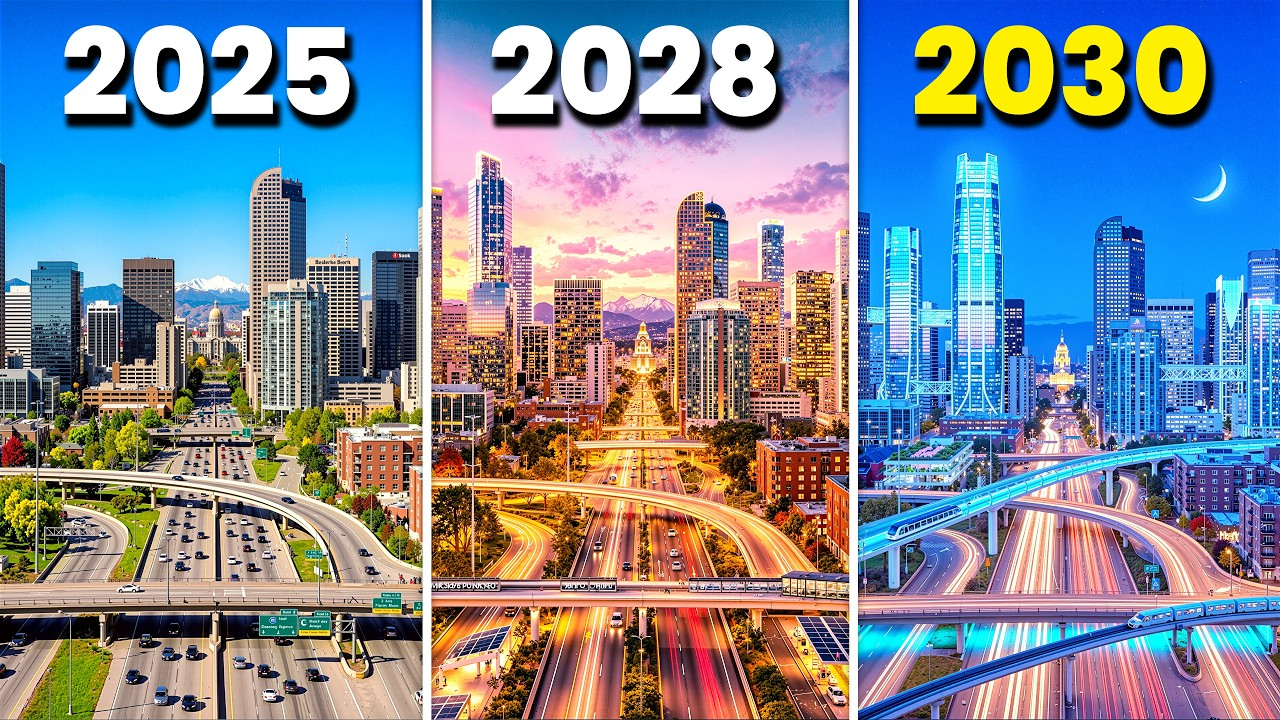
Denver Real Estate Predictions for 2026: What the Data Actually Says
The headlines love a good panic story. Price drops. Inventory spikes. Market corrections. But here's what I see when I look at the actual numbers from the end of 2025: a market that's not collapsing, just recalibrating. Denver real estate has moved into what I'm calling a new normal, and if you're planning a move in 2026 or beyond, understanding what that means is more important than reacting to whatever doom-scroll headline crossed your feed this morning.
I meet with people in the thinking, planning, and timing stage every single day. Some are ready to move now. Others are mapping out a two-year plan. What they all want to know is whether this is the right time, whether prices are going to tank, whether they should wait or jump. The answer, as always, is in the data, not the drama.
In this article, I'm breaking down what actually happened in Denver at the end of 2025, what a 9% price dip from peak really means, how inventory shifted the market, and what buyers and sellers should be focusing on as we move through 2026. This isn't a panic market. It's a strategy market.
Table of Contents
What Denver's "New Normal" Market Actually Means
When I say new normal, I mean we're no longer in the wild appreciation years of 2020-2022, and we're also not in a crash. We're in a market where inventory exists, where buyers have time to think, and where sellers need to price correctly from day one. That's not a bad thing. It's just different from what we got used to during the pandemic.
The frenzy is over. Homes aren't going under contract in 48 hours with 15 offers over asking. Buyers are negotiating again. Sellers are making concessions. Appraisals matter. Inspection periods are being used for their actual purpose. This is what a functional market looks like, and honestly, it's healthier for everyone involved.
What hasn't changed is that Denver is still a desirable place to live. People are still moving here for jobs, lifestyle, access to the mountains, and quality of life. The demand is real. It's just not outpacing supply the way it did a few years ago, and that shift is what's driving the headlines.
The 9% Price Dip: Context Over Panic
Let's talk about that 9% price dip from peak. Yes, prices came down from their absolute highest point. But peak pricing in Denver happened during a market that was objectively unsustainable. We were seeing appreciation rates that couldn't last, fueled by historically low interest rates, a massive influx of remote workers, and inventory levels that were basically nonexistent.
A 9% pullback from that peak doesn't mean the market is crashing. It means we're correcting back to a level that reflects current interest rates, current inventory, and current buyer behavior. If you bought at the very top in early 2022, yes, you might see your value slightly lower than what you paid. But if you bought before that, or if you're looking at the long game, your home has still appreciated significantly over the past five years.
I've had clients worry that they missed the boat, that they should have sold in 2022 and now they're stuck. But real estate isn't about timing the absolute peak. It's about making a move that works for your life, your finances, and your timeline. A 9% dip is noise when you're holding for five, ten, or twenty years.
How Inventory, Not Demand, Shifted the Market
The biggest change I've seen at the end of 2025 is inventory. We finally have homes to sell. Not a flood, not a crash-level surplus, but enough that buyers aren't fighting over every single listing. That shift is what's driving the price adjustments, the longer days on market, and the return of negotiation.
Demand hasn't disappeared. I'm still working with buyers every week who are serious, qualified, and ready to move. But they're not desperate anymore. They can tour a home, think about it overnight, maybe see two or three other options, and then make an offer. That's a huge change from the panic-buying we saw in 2021 and 2022.
For sellers, this means you can't just throw a house on the market and expect it to sell itself. Pricing matters. Condition matters. Marketing matters. The homes that are sitting are the ones that are overpriced or need work. The homes that are selling are the ones that are priced right and show well.
Long-Term Price Appreciation Is Still Happening
Here's what the headlines won't tell you: Denver real estate is still appreciating over the long term. We're not in a market where values are going to drop year over year indefinitely. We're in a market where short-term fluctuations are happening, but the long-term trend is still up.
Denver's fundamentals haven't changed. We have job growth, population growth, limited land to build on, and a lifestyle that people want. Those factors don't go away because interest rates went up or because we had a correction from an unsustainable peak. If you're buying a home to live in for five years or more, you're still building equity. You're still better off than renting in most cases. You're still making a solid long-term investment.
I've been on the Market Trends Committee for years, and I've seen cycles come and go. This isn't 2008. We don't have the same lending problems, the same oversupply, or the same economic collapse. We have a market that's adjusting to higher interest rates and more inventory, and that's a normal, healthy part of the cycle.
What Buyers Should Focus On in 2026
If you're planning to buy in 2026, focus on strategy, not timing the bottom. You're not going to wake up one day and see a headline that says "now is the perfect time to buy." The perfect time is when you're financially ready, when you've found a home that works for your life, and when you can afford the payment comfortably.
Take advantage of the fact that you have options now. You can be picky. You can negotiate. You can ask for concessions. You can take your time during the inspection period. Those are luxuries that didn't exist a few years ago, and they're worth more than trying to catch a falling knife on price.
Also, work with a lender who can show you different loan options. Interest rates are higher than they were, but there are still programs, buydowns, and strategies that can make the payment work. Don't assume you're priced out until you've actually run the numbers with someone who knows what they're doing.
What Sellers Should Focus On in 2026
If you're planning to sell in 2026, focus on pricing and presentation. The days of selling a fixer-upper for top dollar are over. Buyers have choices now, and they're going to choose the home that's move-in ready and priced right.
Get a pre-listing inspection so you know what you're dealing with. Make the repairs that matter. Stage the home so it shows well in photos and in person. And price it based on what's actually selling, not what you think it's worth or what your neighbor's house sold for in 2022.
I've seen sellers sit on the market for 60, 90, 120 days because they refused to price correctly from the start. By the time they drop the price, the listing is stale and buyers are wondering what's wrong with it. Don't be that seller. Price it right, market it well, and you'll still get a great result.
Which Strategy Is Right for You?
If you're not in a rush but you are planning, now is the time to start mapping out your strategy. That might mean meeting with a lender to see what you can afford. It might mean getting your home ready to sell over the next six months. It might mean watching the market and learning what's out there so you're ready to move when the right opportunity comes up.
I work with people in all stages of planning, and the ones who do best are the ones who start early, ask questions, and make decisions based on their own situation, not what the headlines are saying. If you're thinking about a move in 2026 or beyond, let's talk. I'd love to help you make sense of what these numbers mean for your specific situation and build a plan that actually works.
Conclusion
Denver's real estate market in 2026 isn't a crisis. It's a recalibration. Prices are still appreciating long-term. Inventory is giving buyers options. Sellers who price right are still getting solid results. And the fundamentals that make Denver a great place to live haven't changed.
If you're planning a move, focus on strategy, not speculation. Work with people who know the market, run the numbers, and make a decision that works for your life. I meet with buyers and sellers in the thinking and planning stage every day, and I'd be honored to help you figure out your next move. Call/text me at 720-606-4518 or book a FREE consultation here and let's talk strategy.
FAQ
Is the Denver real estate market going to crash in 2026?
No. Denver's market is adjusting to higher interest rates and more inventory, but the fundamentals, job growth, population growth, limited land, are still strong. This isn't 2008. We don't have the same lending problems or oversupply. Prices are still appreciating long-term, even if we see short-term fluctuations.
Should I wait to buy until prices drop more?
Trying to time the bottom is a losing game. The best time to buy is when you're financially ready, when you've found a home that works for your life, and when you can afford the payment comfortably. You have more negotiating power now than you did a few years ago, and that's worth more than waiting for a price drop that may or may not happen.
What does the 9% price dip from peak really mean?
It means we corrected back from an unsustainable peak that happened during the pandemic. If you bought before 2022, your home has still appreciated significantly. If you bought at the very top, you might see your value slightly lower, but real estate is a long-term investment. A 9% dip is noise when you're holding for five years or more.
Is now a good time to sell in Denver?
Yes, if you price correctly and present your home well. Homes that are priced right and show well are still selling. Homes that are overpriced or need work are sitting. The market rewards sellers who do their homework and price based on what's actually selling, not what they think their home is worth.
How is inventory affecting the Denver market?
Inventory has increased, which means buyers have options and aren't panic-buying anymore. That's shifted the market from a seller's market to a more balanced market. Buyers can negotiate, take their time, and be picky. Sellers need to price right and market well. It's a healthier, more functional market than what we saw in 2020-2022.
What should I focus on if I'm planning to move in 2026?
Focus on strategy, not timing. Meet with a lender to see what you can afford. Get your home ready to sell if you're a seller. Learn what's out there if you're a buyer. Work with people who know the market and can help you build a plan that works for your specific situation. The ones who do best are the ones who start early and make decisions based on their own life, not the headlines.

Your Trusted Partner in Denver colorado Real Estate
At Heather O’Leary Real Estate, every move is guided with care, strategy, and local Denver insight. Whether buying, selling, or relocating, Heather provides personalized support to help you feel confident from your first conversation to closing day.
Stay Informed, Inspired, and Connected.
Stay informed with practical Denver real estate content covering market trends, buyer strategy, seller preparation, relocation tips, and neighborhood-level insights. Heather turns local data and real client questions into clear guidance you can actually use.