The Denver Colorado housing market is doing something much more complicated than a single headline can explain. Metro-wide numbers can look fairly flat and slow, while certain westside communities are moving quickly, holding value, and sometimes still attracting multiple offers.
For example, the metro median sale price cited here was $615,000, roughly flat year over year, while average days on market reached 56. That sounds balanced, maybe even soft. But Golden, barely 10 miles from downtown, has seen median prices around $1.1 million and far tighter competition. So, is the Denver Colorado housing market cooling or booming? Honestly, it is both, depending on exactly where you are looking and what type of home you need.
The important thing is to stop treating Denver as one market. Construction, location, mortgage rates, insurance, seller credits, and local zoning are all changing the real-world math behind a move.
Denver Housing Market And New Construction
When you see cranes along Kipling, Santa Fe, or another major Denver corridor, it is easy to assume a bunch of starter homes are about to hit the market. That is not always what is happening.
A growing share of new development is multifamily, condos, townhome communities, and build-to-rent housing. In a build-to-rent project, homes may look more like traditional houses, but they are built to remain rentals rather than be sold individually to buyers.
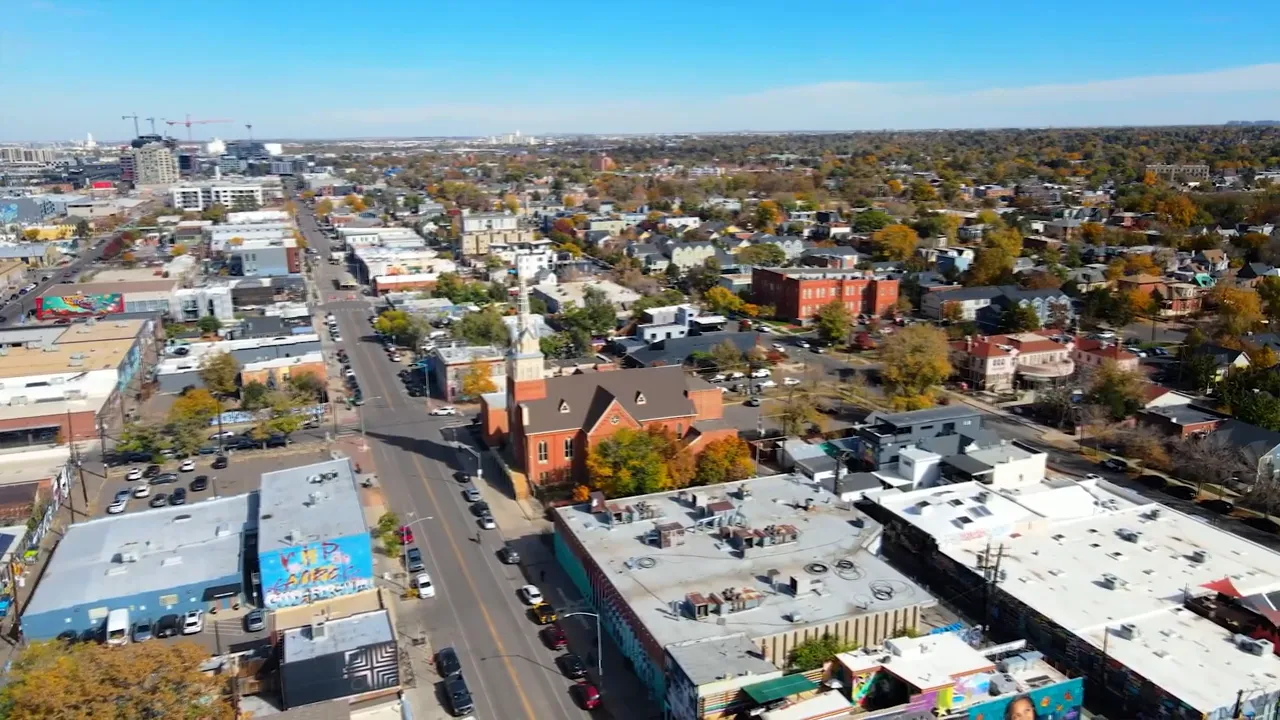
Why? Land and construction costs are higher, and margins on traditional for-sale communities are thinner. Holding rental property can provide a builder with income over time instead of relying on a quick round of home sales in a higher-rate environment.
For buyers in the Denver Colorado housing market, higher permit activity does not automatically mean more homes for sale. For homeowners in walkable, established westside neighborhoods, it can mean less new builder competition and more demand for existing homes that are already in the locations people want.
Denver Growth And Outer-Area Development
Denver is still growing, but available land is not evenly distributed. There are pockets of new single-family development, including around Ken Caryl Plains, but those pockets are becoming more limited and more expensive.
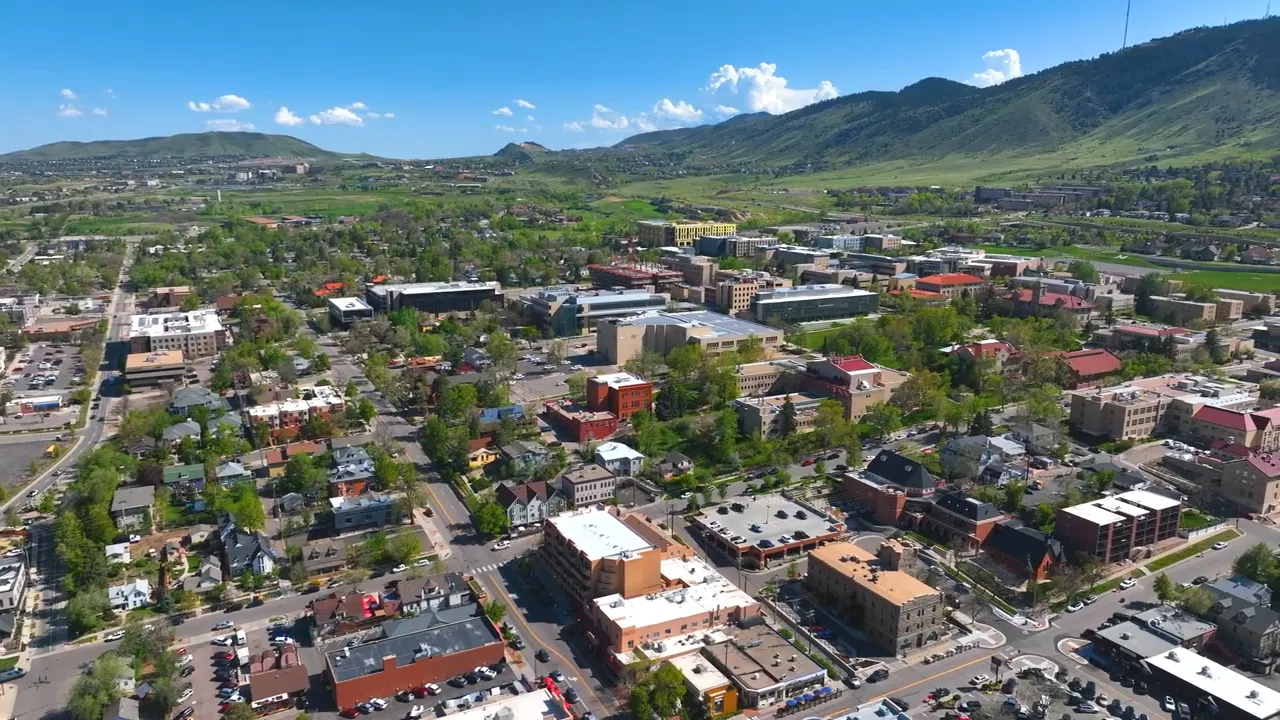
Golden illustrates the issue perfectly. The foothills, parks, and open space create an incredible lifestyle, but they also constrain where new homes can go. Golden cannot simply build its way out of a housing shortage. That scarcity helps explain why prices have pushed above the $1 million mark and homes can still move quickly.
This is why broad headlines about Denver inventory being up can be misleading. Much of the additional inventory is farther from central Denver, often outside the C-470 ring. It is not necessarily showing up in Golden, Lakewood, or other landlocked west suburbs.
There are two different opportunities in the Denver Colorado housing market:
- Westside and close-in communities: Better access to downtown, foothills, trails, and established neighborhoods, but tighter supply and less room for new development.
- East, north, and south growth corridors: More space, more new construction, and potentially more negotiating room.
Neither choice is automatically better. The right one depends on commute, schools, HOA preferences, outdoor access, privacy, budget, and how much home versus location matters to you. That is especially true when moving to Denver Colorado, because the lifestyle difference between neighborhoods can be huge.
Denver Mortgage Rates And Buyer Conditions
Many buyers are waiting for mortgage rates to return to the fives. I understand the instinct, but it is important to know what actually drives mortgage pricing. Mortgage rates do not move in a neat, direct line with every Federal Reserve decision. They more closely follow the 10-year Treasury yield, which responds to global uncertainty and investor expectations.
At the time of these figures, 30-year fixed rates were holding roughly between 6.5% and 6.75%, steadier than the larger swings seen earlier. International uncertainty, including Middle East tensions and possible oil-price changes, can keep bond markets cautious and mortgage rates rangebound.
A Federal Reserve cut can happen without an immediate drop in mortgage rates. Rates can remain flat or even rise if markets get nervous. That does not mean anyone should rush into a bad purchase. It means the Denver Colorado housing market should be evaluated using today’s payment, today’s inventory, and today’s negotiating conditions instead of waiting for a specific headline to save the day.
Stable rates can actually be healthier than constantly changing rates. Buyers can plan around a number, sellers can price more realistically, and negotiations become less chaotic. Late-year timing, particularly September and October, may also create opportunities when sellers become more motivated.
Denver Seller Concessions And Rate Buydowns
This is one of the biggest misunderstandings in the current Denver Colorado housing market. A seller concession is money the seller agrees to contribute toward a buyer’s closing costs or interest-rate buydown. It can sometimes improve the monthly payment more effectively than a straight price reduction.
Take a $650,000 home as an example. A $25,000 price reduction may save about $126 per month. But a 3% seller concession of about $19,000, applied toward a rate buydown, could reduce the monthly payment by about $338. The seller contributes less money, while the buyer may receive substantially more monthly relief.
This does not mean concessions are free money or that every offer should use the same formula. The list price, recent comparable sales, financing terms, appraisal risk, and the seller’s flexibility all matter. But buyers should not focus only on the sticker price. Ask where the real wiggle room is and whether a credit produces a better payment outcome.
That strategy is showing up in many financed transactions right now. Cash deals are different, of course, but rate buydowns and closing-cost credits are a major tool for buyers navigating the Denver Colorado housing market.
Denver New Construction Costs And Tariffs
New construction has another pricing challenge: materials. Tariffs affecting steel, aluminum, lumber, copper, and certain Chinese-manufactured building goods are adding to construction costs. One estimate cited an added $9,000 to the cost of building an average new Denver single-family home, while construction material costs rose 6.2% in 2025.
That matters because higher building costs can reduce the amount of new for-sale inventory that makes financial sense for builders. In turn, well-maintained resale homes in Lakewood, Littleton, Arvada, Highlands Ranch, and similar communities may look more attractive on a value-per-dollar basis.
Buyers considering new construction should still pay attention to builder incentives. Builders with completed inventory may offer rate buydowns, closing-cost credits, landscaping incentives, or design-center allowances. Those are valuable only if the location and finished price genuinely work for your life.
A $20,000 rate buydown may not be worth a 25-minute longer commute every day. When moving to Denver Colorado, do not let an incentive distract you from whether the neighborhood, drive time, lot, and lifestyle actually fit.
Denver Home Insurance And Wildfire Risk
Insurance is becoming one of the most important and least expected parts of the Denver Colorado housing market. Colorado homeowners insurance costs have climbed sharply, with statewide average annual premiums cited at more than $4,000. In higher wildfire-risk locations near the foothills, premiums can be much higher, potentially ranging above $7,000 and in some cases approaching $20,000 annually.
Areas around Morrison, Golden, Conifer, foothill-adjacent Lakewood, parts of Littleton, Ken Caryl Valley, and Roxborough deserve especially early insurance research. This is not just about cost. Nonrenewals have increased, including for homeowners with long claim-free histories. Insurers are evaluating where a property sits on a risk map, not merely the owner’s past claims.
For a financed buyer, the issue can stop a deal. Lenders require proof of acceptable insurance before funding. Fortunately, the contract can provide protection if insurance is not acceptable, but the best practice is to investigate insurance quotes as early as possible rather than discovering a problem just before closing.
Colorado House Bill 1182, described as taking effect July 1, 2026, changes the wildfire insurance conversation. It requires insurers to disclose wildfire risk models, provide a property-specific risk score, account for mitigation efforts in pricing, and allow homeowners to formally appeal their rate.
Living near trails and the foothills still has enormous appeal. The point is not to avoid these areas. It is to include wildfire mitigation, insurance availability, and premium costs in the total budget from day one.
Lakewood Zoning And Westside Housing Supply
Lakewood’s zoning overhaul may be the biggest long-term local change in the Denver Colorado housing market. In October 2025, Lakewood passed zoning reform that legalizes middle housing, including duplexes, triplexes, fourplexes, and cottage clusters, across residential lots that were previously restricted to detached single-family homes.
This is not simply an apartment story. It changes the future supply pipeline in one of Denver’s most desirable westside cities. Lakewood has seen substantial affordability pressure as people seek access to downtown, I-70, Golden, trails, and the foothills without Golden-level pricing.
The zoning timeline is significant. In 2026, new construction on existing lots can include up to three units per structure. Beginning in 2027, the cap on dwelling units per lot is removed, with building size and design standards shaping what can be built instead.
Lakewood also approved the Bend project, a 59-acre urban renewal area along Union Boulevard that is planned to bring mixed-use development, housing, retail, and jobs to an area that has seen limited investment.
For sellers, this does not mean every lot instantly becomes a redevelopment opportunity. It does mean long-term demand, housing variety, and neighborhood change are worth understanding. For buyers, Lakewood may increasingly become the logical westside alternative as Golden prices remain high. The Denver Colorado housing market is hyperlocal, and these on-the-ground changes can matter far more than a broad national headline.
How To Make A Smart Move In Denver Right Now
The best decision is not based on whether the market is officially “good” or “bad.” It is based on whether a specific home, payment, location, and timeline work for you.
- Compare neighborhoods rather than relying on metro-wide averages.
- Evaluate the full monthly cost, including mortgage, taxes, HOA dues, insurance, and commute.
- Ask whether a seller concession or builder incentive improves the deal more than a price cut.
- Get insurance quotes early, especially near the foothills.
- Think beyond today’s listing and consider zoning, future supply, and neighborhood character.
That is the reality of the Denver Colorado housing market right now. It is not one simple story. There are real opportunities, but they are location-specific and strategy-specific. The more clearly you define what matters most, the easier it becomes to recognize the right move when it appears.

FAQs About Denver Colorado Housing Market
Is the Denver Colorado housing market cooling down?
Metro-wide pricing has been relatively flat and days on market have lengthened, but conditions vary dramatically by location. Land-constrained westside communities such as Golden can remain competitive while outer growth areas offer more inventory and negotiating room.
Why are seller concessions so common in Denver?
Seller concessions can help buyers reduce their interest rate or closing costs. In some cases, using a seller credit for a rate buydown creates a larger monthly payment benefit than a similar-sized price reduction.
Should I wait for mortgage rates to fall before buying?
Mortgage rates are influenced by the 10-year Treasury yield and investor expectations, not just Federal Reserve decisions. A better approach is to evaluate whether the current payment and available home meet your needs rather than waiting for a specific rate target.
What should I know about insurance when moving to Denver Colorado?
Insurance should be researched early, especially for homes near foothills and wildfire-risk areas. High premiums or difficulty obtaining coverage can affect affordability and even prevent mortgage closing if acceptable insurance cannot be secured.
How could Lakewood zoning affect home values?
Lakewood’s reform allows more middle-housing options and changes the long-term supply pipeline. It may increase housing variety and shape neighborhood character, while the city’s westside location should continue to attract buyers seeking access to downtown, Golden, and trails.
Ready to make a move in the Denver Colorado housing market? Whether you’re comparing westside communities, exploring new construction, or looking for the best negotiating opportunities, I can help you evaluate your options and find a home that fits your budget and goals. Call/text me at 720-606-4518 or book a FREE consultation here to get started.
READ MORE: Best Denver Neighborhoods: Where Buyers Are Moving Now