Those gorgeous 60 degree February days are one of the reasons people love moving to Denver Colorado. Bike rides, hikes, parks, sunshine, all of it sounds pretty amazing when other places are still buried in snow. But this false spring comes with a very real tradeoff. Our snow drought is changing the practical side of owning a home here, from wildfire insurance and power reliability to tree care and water bills.
If you are moving to Denver Colorado, this is not a reason to panic or write off the area. Denver is still an incredible place to live. It is simply a reminder that buying a home here needs to include a climate resilience strategy, especially for homes near foothills, open space, and mountain communities.
Snow Drought & Moving to Denver Colorado
For anyone moving to Denver Colorado, it is important to understand that warm winter weather is not always just a fun bonus. The 2026 snow drought is serious. Statewide snowpack has been reported at 55 percent of the 30-year median, while the South Platte River Basin was reported at 42 percent, its lowest moisture level since 1987.
That matters because the South Platte travels from the mountains through the Denver area. When snowpack and moisture are low, the ground can stay frozen and dry at the same time. Then the Front Range heads into some of its windiest months with dry grass, dry trees, and dry soil. That is the tinderbox effect people need to have in the back of their minds.
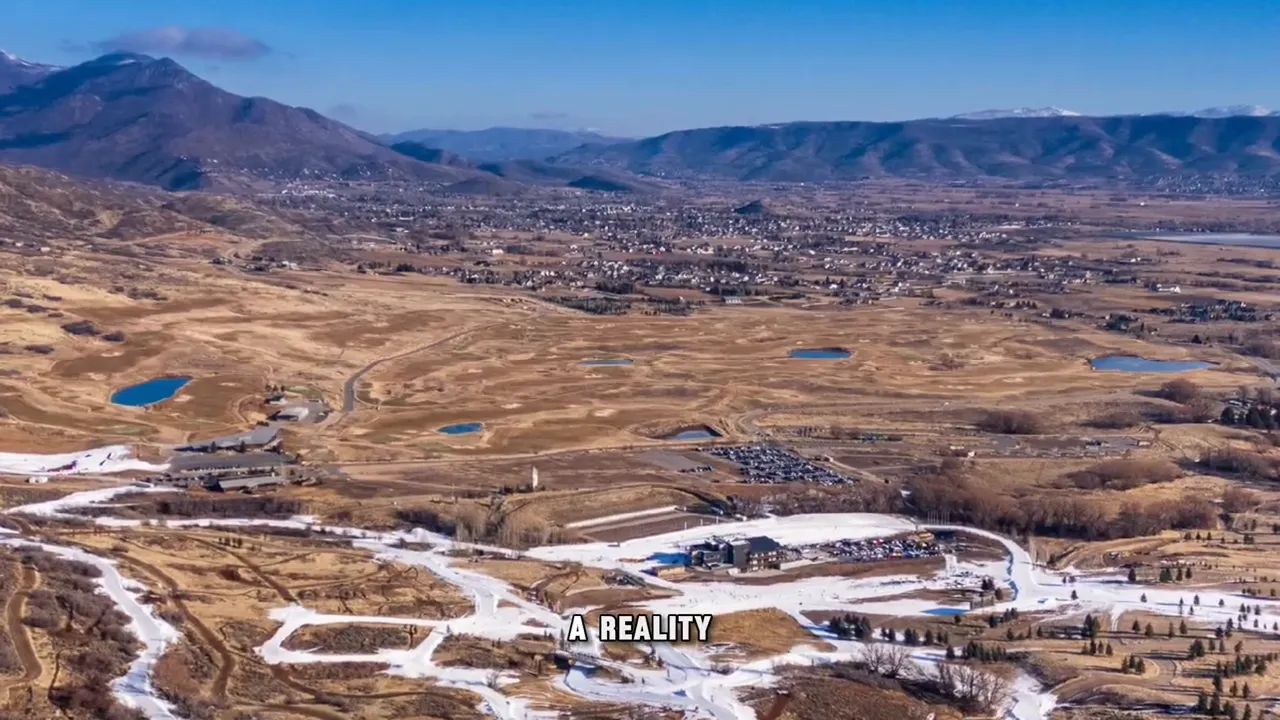
Moving to Denver Colorado means looking beyond the home itself. It means noticing what surrounds it. Is there open space nearby? Is the lot heavily treed? Is the property close to foothills? Are there dry grasses along the fence line? These details can affect insurance, maintenance, and how prepared you need to be for a difficult fire season.
Power Outages in Denver Colorado
One major concern during dry, windy periods is power reliability. Xcel Energy provides gas and electricity for much of the area, and public safety power shutoffs have become a frustrating reality.
On December 17, 2025, a public safety power shutoff began amid wind gusts reported around 90 miles per hour. More than 115,000 customers across the Front Range lost power, with Boulder, Jefferson County, and Douglas County among the hardest-hit areas. Some households went three to five days without power, cooking capability, refrigeration, or dependable Wi-Fi.
The underlying issue is something called winter desiccation. In dry, frozen soil, tree roots can struggle to access enough moisture. Trees become brittle, branches can snap much more easily, and those branches can hit power lines. The shutoffs are intended to reduce fire danger, but they can be very disruptive at home.
For people moving to Denver Colorado, an outage plan is worth making before an outage happens. Do not assume a warm day makes a multi-day shutdown easy. Refrigerated food, internet access, cooking, and communication can all become issues quickly.
Wildfire Insurance in Denver Colorado
The Denver climate and homeownership conversation now includes a much closer look at wildfire risk. A new Colorado law, House Bill 1182, is expected to take effect in July 2026. Think of the insurance score as a credit score for wildfire risk.
In the past, wildfire-risk scores were not always transparent. Under the upcoming rules, insurers must show the score and explain how they calculated it. They cannot simply treat every property in a city or ZIP code as identical. They need to consider the specific lot, roofing material, and how close trees are to the siding.
That is huge for anyone moving to Denver Colorado. A property in Golden, Broomfield, Littleton, Boulder, or near the foothills may have a very different risk profile than another home only a few miles away. During home tours, take a slow walk around the property and pay attention to the exterior conditions that could affect insurance.
What To Look For Around A Home
- Roofing material and the general condition of the roof
- Tree limbs close to the house, roof, or utility lines
- Dry grasses, brush, and combustible materials near the exterior
- How close the home sits to open space, foothills, or heavily wooded land
- Whether prior wildfire-mitigation work has been completed and documented
There is also an appeals process. If you are already a homeowner and have removed a hazardous tree or addressed a risk factor, you may be able to appeal your score. A five-foot ember-free zone around the home is one example of mitigation that insurers must account for in premiums when properly documented.
Verified programs such as Wildfire Prepared Home may also lead to insurance credits. Denver climate and homeownership are becoming more connected every year, so save receipts, photos, contractor documentation, and proof of completed mitigation work.
Water Costs for Denver Homeowners
A green lawn has always been a major curb-appeal feature, but it may also become a more expensive one. For people moving to Denver Colorado, the traditional Kentucky bluegrass lawn is something to reconsider, especially if the household uses a lot of water outdoors.
Denver water costs are increasing in 2026. The fixed monthly charge is expected to rise to about $21, and high outdoor-use pricing can jump from about $3 per 1,000 gallons to $7.26 per 1,000 gallons. That is more than double.
This is where drought-resistant landscaping becomes a really practical conversation. Xeriscaping and native drought-resistant options can reduce water use and lower ongoing maintenance costs. It does not mean every yard has to look barren. It means choosing a landscape that fits the reality of our climate instead of fighting it every summer.
Moving to Denver Colorado may mean choosing a home with a smaller lawn, an existing low-water landscape, or a realistic plan to update landscaping after closing. That can be a meaningful part of the total ownership budget.
Home Resilience in Denver Colorado
The good news is that there are things you can do. Denver climate and homeownership do not have to feel overwhelming when you create a simple resilience plan.
Build More Energy Independence
Solar with battery storage can be a major benefit during outages. During the Boulder outage, some homeowners with battery storage were able to keep their own refrigeration running and even share power with others. Keeping Wi-Fi connected can also make a huge difference during a long disruption.
Create A Grid-Down Kit
If you camp, many of your supplies can do double duty as a home emergency setup. Keep the kit together and make sure everyone in the household knows where it is.
- Flashlights and batteries
- Candles
- A propane can stove for heating food
- Coolers and ice plans for food storage
- Basic cooking supplies
- A backup plan for showers if the water heater depends on electricity
Water Trees During Warm Winter Days
One very practical tip is the 40-degree rule. When it is around 40-degrees outside, water trees along the drip line so the roots can get moisture. Normally, winter tree care might involve shaking off heavy snow to protect branches. In a snow drought, the bigger concern can be a tree becoming dry, brittle, and unhealthy.
If you own a home, water your trees. If you are moving to Denver Colorado, ask about irrigation, mature trees, and whether the yard has a plan for dry winters. Those are small questions that can prevent bigger costs later.
Living in Denver Colorado: Climate Tradeoffs
Here is the honest thing. Moving to Denver Colorado is still awesome. People are riding bikes, hiking, enjoying parks, and getting outside on sunny February days. The city’s sunshine and access to the outdoors are a huge part of why people want to be here.
But there are tradeoffs. Low snowpack can make ski conditions less fun when powder runs are rocky and more limited. A dry summer could also mean more campfire restrictions, which is a little sad for those of us who love s'mores.
If you want a home near the mountains, it is still a privilege. It just takes strategy. You can reduce fire risk, plan for outages, rethink your landscape, and make choices that protect both your budget and your Colorado lifestyle. Moving to Denver Colorado is not just about buying an asset. It is about choosing a way of life and being prepared to care for the home that supports it.
FAQs About Moving to Denver Colorado
Is moving to Denver Colorado still a good idea during a snow drought?
Yes. Moving to Denver Colorado can still be a fantastic choice, especially for people who value sunshine and outdoor access. The important part is understanding the practical ownership issues that come with dry conditions, including wildfire exposure, landscaping needs, insurance, and power outage preparation.
How can wildfire risk affect a home insurance premium?
Beginning in July 2026, insurers are expected to disclose wildfire-risk scores and explain how they were calculated. The assessment can consider the specific lot, roof material, and vegetation close to the home. Documented mitigation work, including a five foot ember-free zone, may help lower the premium.
What should I inspect before buying a foothills home?
Check the roof, tree spacing, dry vegetation, nearby open space, and the home’s proximity to forested areas. Ask whether wildfire mitigation has been completed, whether insurance is available at an acceptable cost, and whether the household has a power outage plan.
Why should Denver homeowners water trees in winter?
Dry, frozen soil can leave tree roots without enough moisture. This can lead to winter desiccation, making trees brittle and more likely to break during high winds. On warmer days around 40-degrees, watering at the drip line can help support tree health.
Will xeriscaping help reduce homeownership costs?
It can. With higher outdoor water-use rates, native and drought-resistant landscaping may reduce water consumption and the cost of maintaining a large grass lawn. It is a practical option for Denver climate and homeownership planning.
Thinking about moving to Denver Colorado? Whether you're looking for a home that's close to the mountains or in a neighborhood that better fits your lifestyle and long-term goals, I'd be happy to help you navigate the market with confidence. Call/text me at 720-606-4518 or book a FREE consultation here to start planning your move.
READ MORE: Living In Littleton Colorado: Is Downtown Littleton The Right Fit?